2024: A Year Of Nature
From flying helicopters in the icy heart of winter in Alaska, to remote camera trapping in the mountains of Montana, I continued to push the boundaries of what is possible with a camera—capturing our natural world as you’ve never seen it before! The photographs that you see here, in order of when they were captured, represent what I consider to be my finest work from 2024. Please take a moment to enjoy the collection and consider transforming your interior space with a fine art print that is bound to inspire you on a daily basis!
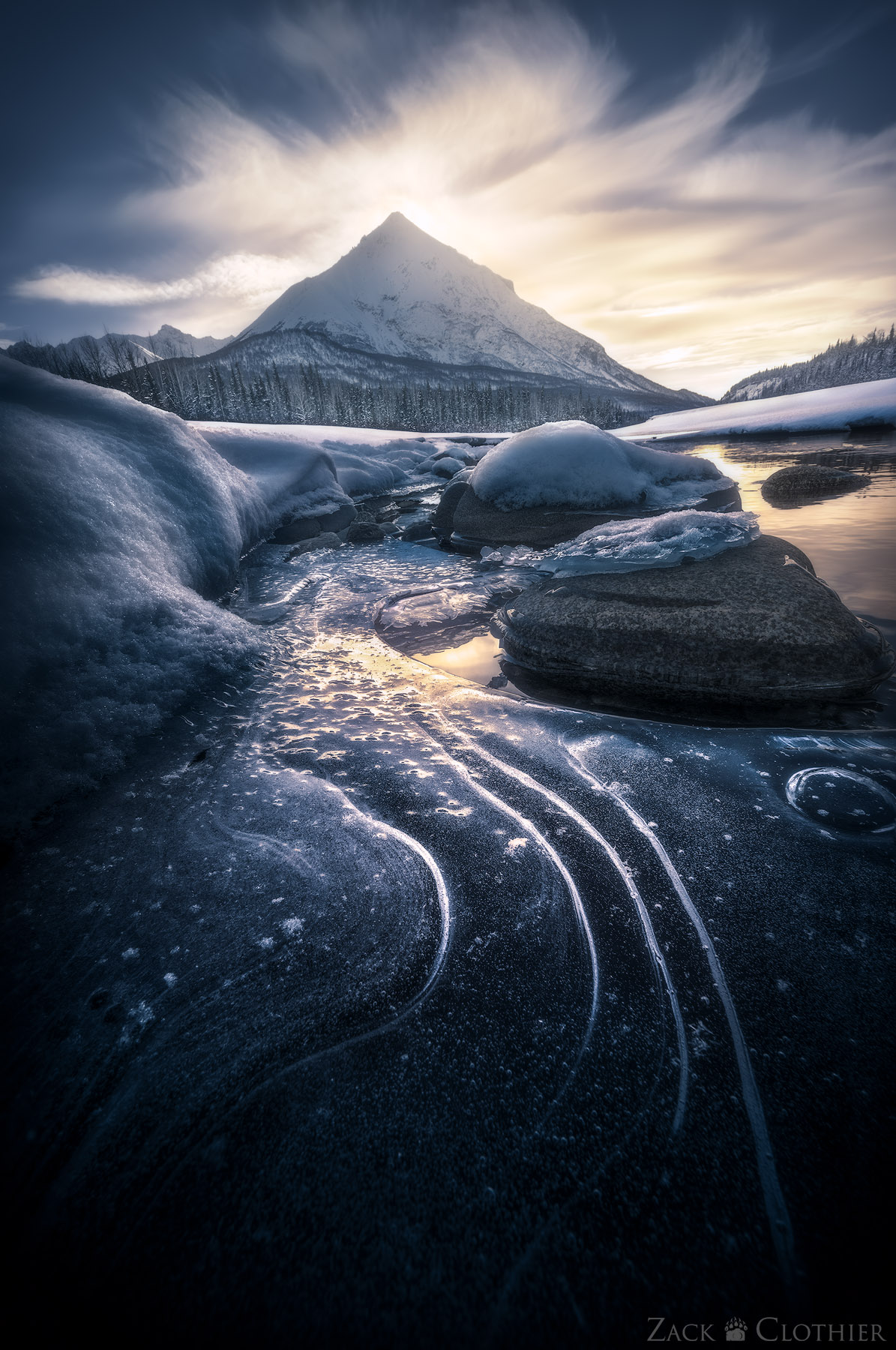
King Peak rises sharply above the icy waters of the Matanuska River at sunset, its rugged silhouette glowing beneath the last light of day. Situated within Alaska’s Chugach Range, the river moves slowly through a landscape frozen in winter's grip.

As the morning sun breaks over the horizon, a warm golden light falls across a snow-covered forest along the remote Dalton Highway, briefly softening the extreme harshness of the Arctic winter. Frost-laden trees stand in endless silence, stretching across the landscape without a trace of human presence. In this isolated corner of the north, the world feels still and untouched. For a few quiet moments, this winter wonderland glows beneath the rising sun, revealing a landscape defined as much by solitude as by its beauty.

Standing on the surface of a frozen river in the remote winter wilderness of Alaska’s far north, I watched as the luminous glow of a full moon lit the landscape while the aurora borealis moved vividly across the sky above the Brooks Range. The stillness of the Arctic night, broken only by shifting curtains of green light, created a moment that felt both powerful and surreal. In temperatures surpassing −40°F, the cold was relentless, yet the experience was nothing short of extraordinary. It was one of those rare nights where the harshness of the environment gives way to a display of light and atmosphere few will ever witness.

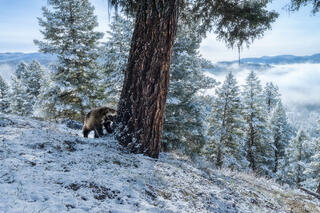
As the sun begins to rise over the mountains of Montana, a mountain lion surveys its domain from an elevated perch. The crisp spring air is filled with promise, and this guardian of the wild remains vigilant as it watches over its territory with keen eyes.
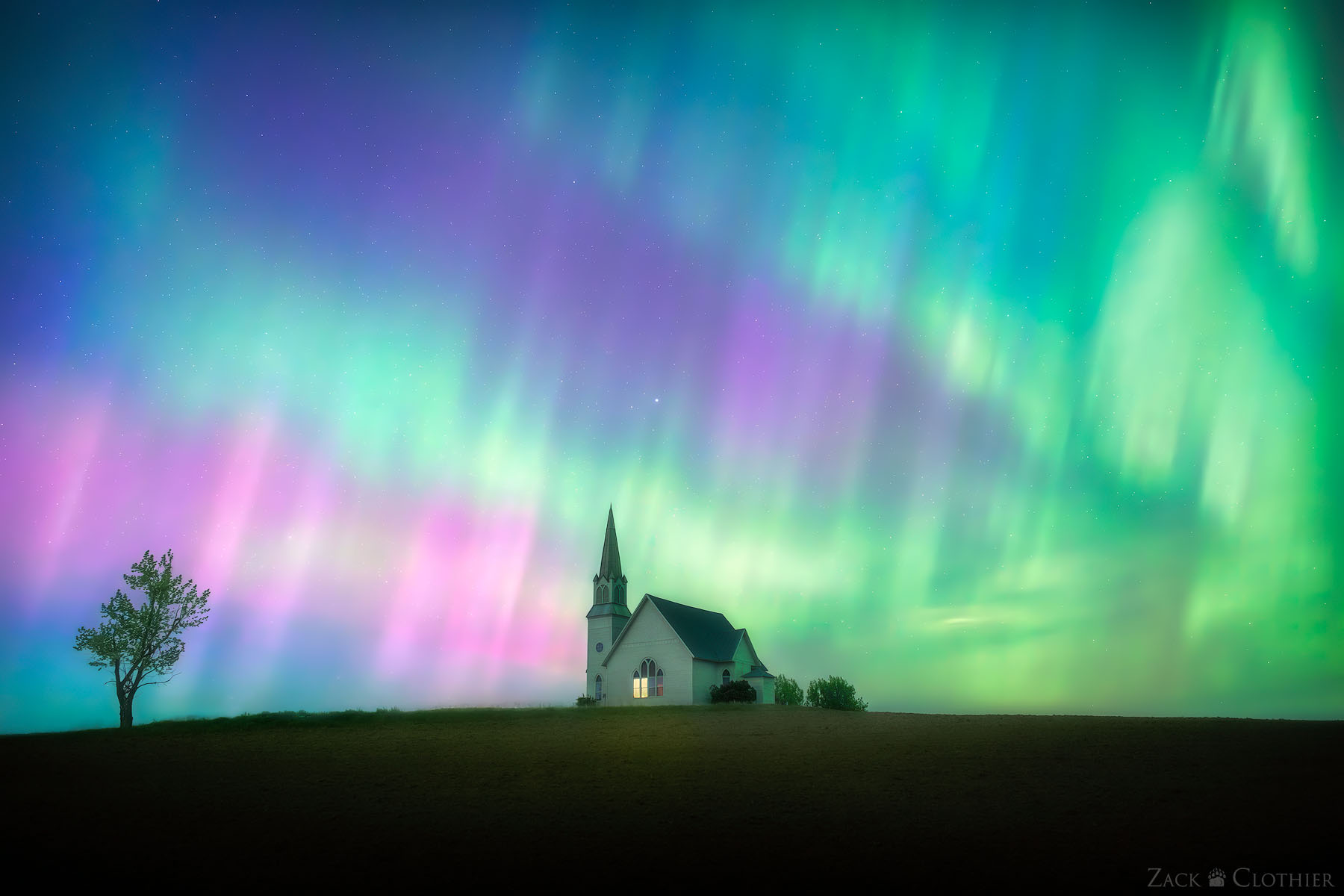
The northern lights dance vividly above a small church along a quiet rural back road, during one of the most powerful and spectacular geomagnetic storms of the 20th century. Curtains of emerald and violet light ripple across the night sky, twisting and pulsing with electric intensity as they stretch far beyond the horizon.
Below, a modest white church stands still and unassuming, its steeple reaching upward as if in quiet acknowledgment of the extraordinary display overhead.
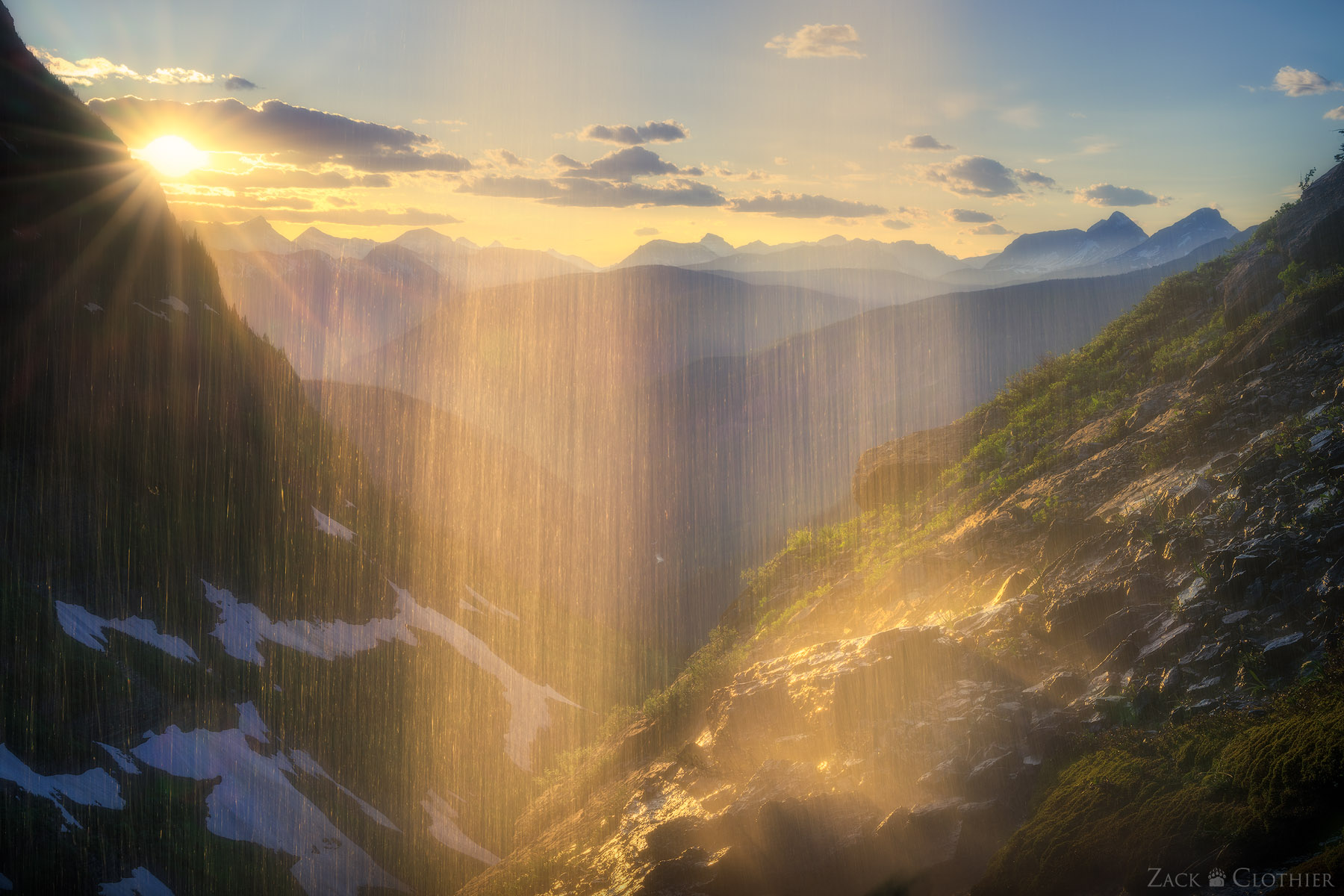
A waterfall tumbles down from the cliffs above, backlit by the warm glow of the setting sun, painting a scene that feels alive with light and motion. Each drop of water catches the last rays of the day, sparkling like liquid gold as it descends into the quiet pool below.
Beyond the falls, the layered peaks of Glacier rise in the soft evening light, their ridges and valleys gradually shifting from warm amber to cooler blues as shadows lengthen. Standing there, behind the falls, I got completely soaked—but the photograph I captured that evening ended up being one of my favorites from the park.
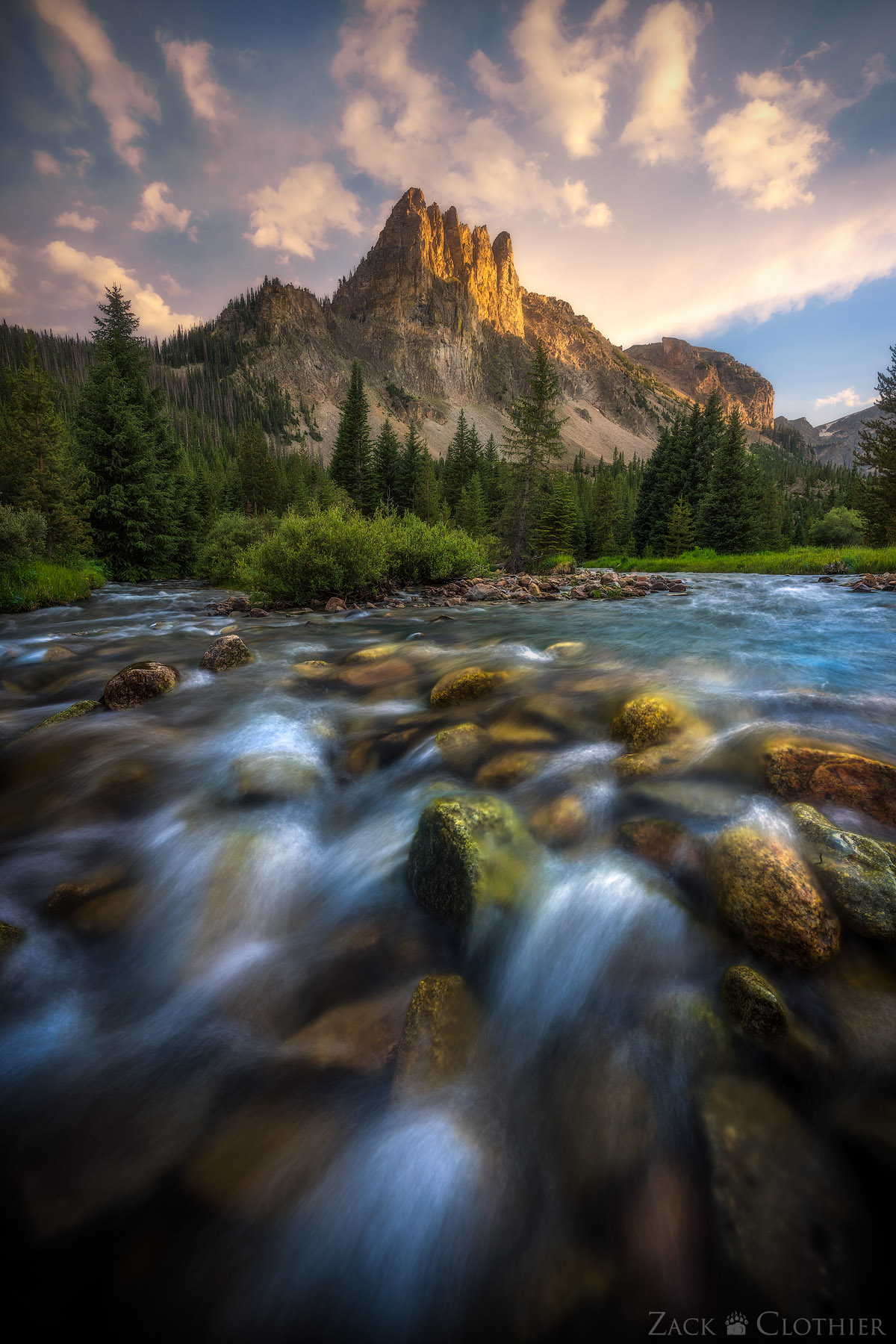
A small mountain creek winds its way through the rugged Beartooth Mountains after a passing summer rain shower. There is a feeling of freshness in the air following the rain. As the sun dips toward the horizon, a break in the clouds allows warm light to spill across a jagged, rocky peak towering above the stream.
I was grateful to have scouted this composition earlier in the day. The thunderstorm that rolled through was intense, and I’d been hunkered down at camp, not expecting any chance of good light. When I noticed a break in the clouds, I grabbed my gear and hurried back to the creek. I waded into the cold water to line up the shot, just as the last light of day slipped through and briefly crowned the peak. It was one of those moments that almost never happens, but then it does.
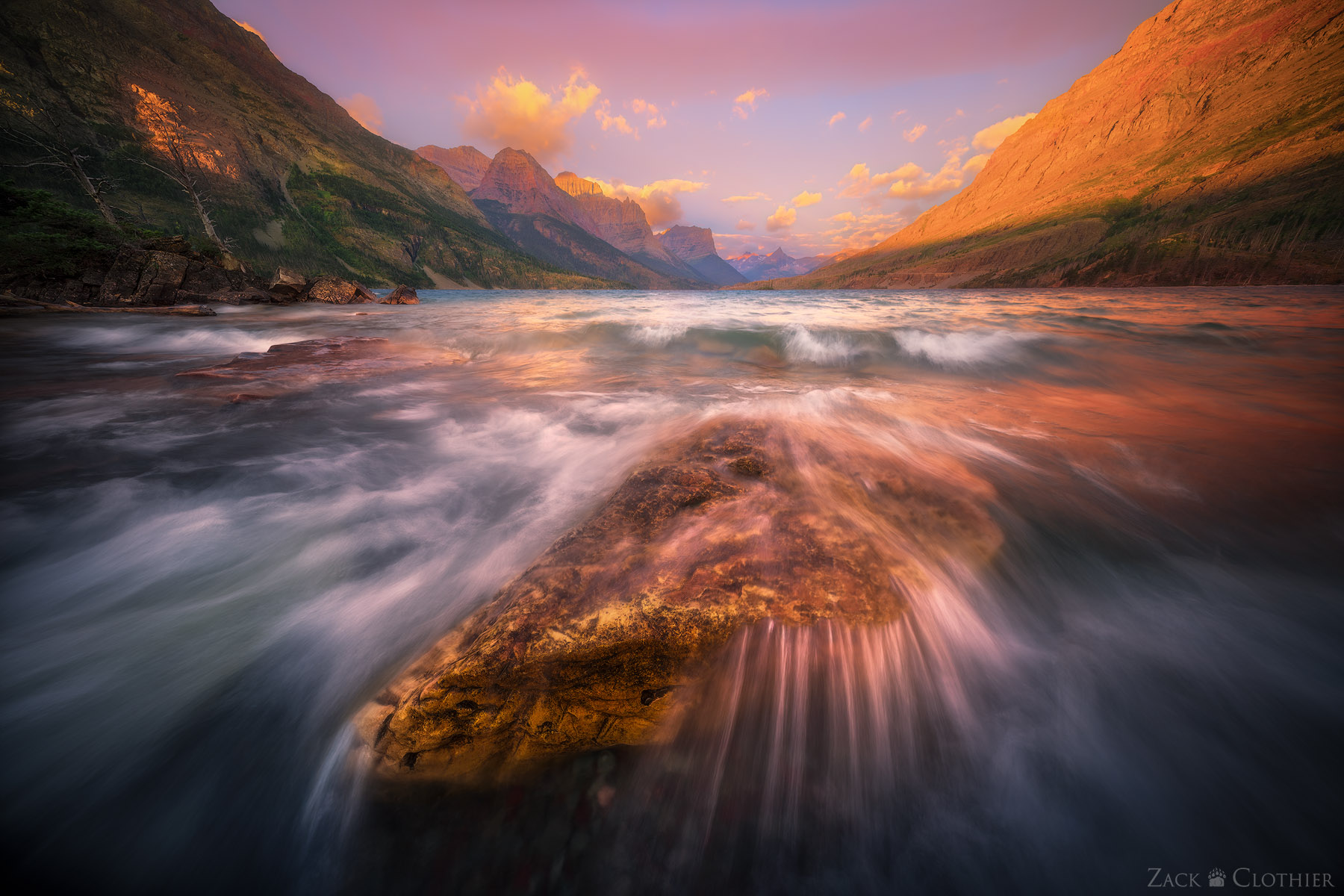
A fiery summer sunrise lit up the sky over Saint Mary Lake, deep reds and oranges glowing above the mountains. The wind was relentless that morning, gusting hard across the water and sending waves crashing into the rocky shoreline, sending spray into the air.
Despite the cold, I waded out into the water to frame the composition I had in mind. The water was shockingly frigid, and each wave slammed into the rocks around me, soaking me as I tried to keep steady footing. Timing became everything, waiting for the right surge to crash through the foreground while the sky lit up like a match.

Waves crash on the rocks along the shores of Abraham Lake on a very cold, very windy autumn evening. I got absolutely soaked while making this photograph, but it was completely worth it.

This bull elk stands out against the fire-scarred landscape of Jasper, Alberta, a vivid reminder of nature’s resilience and the life that persists even after devastation.
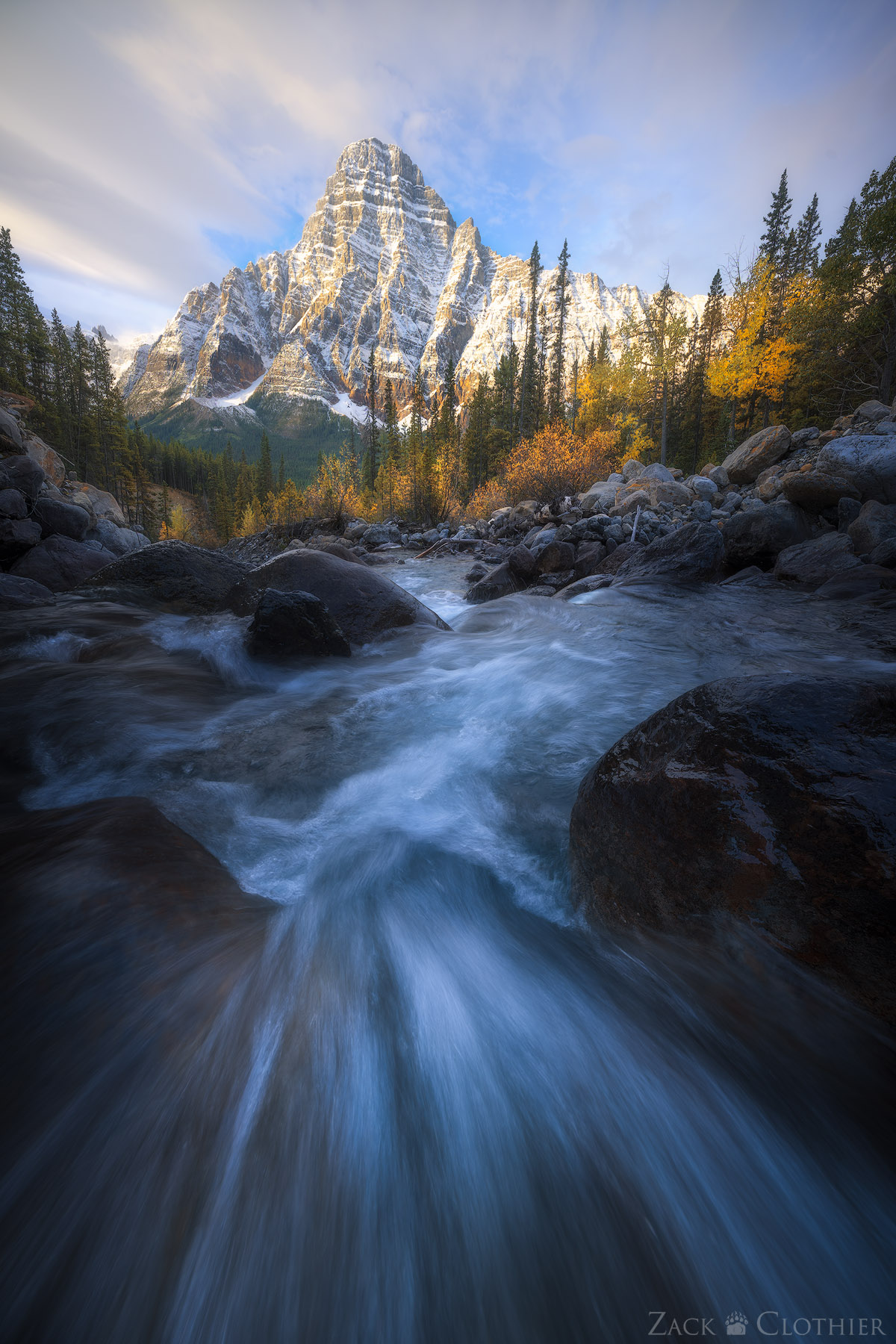
As I stood there, knee-deep in the ice-cold, rushing stream, looking up at the snowcapped mountain towering above the valley, autumn was setting in. The colors were rich and constantly changing, leaves drifting down all around me. In that moment, I was reminded of how quickly the seasons change in the Rockies.
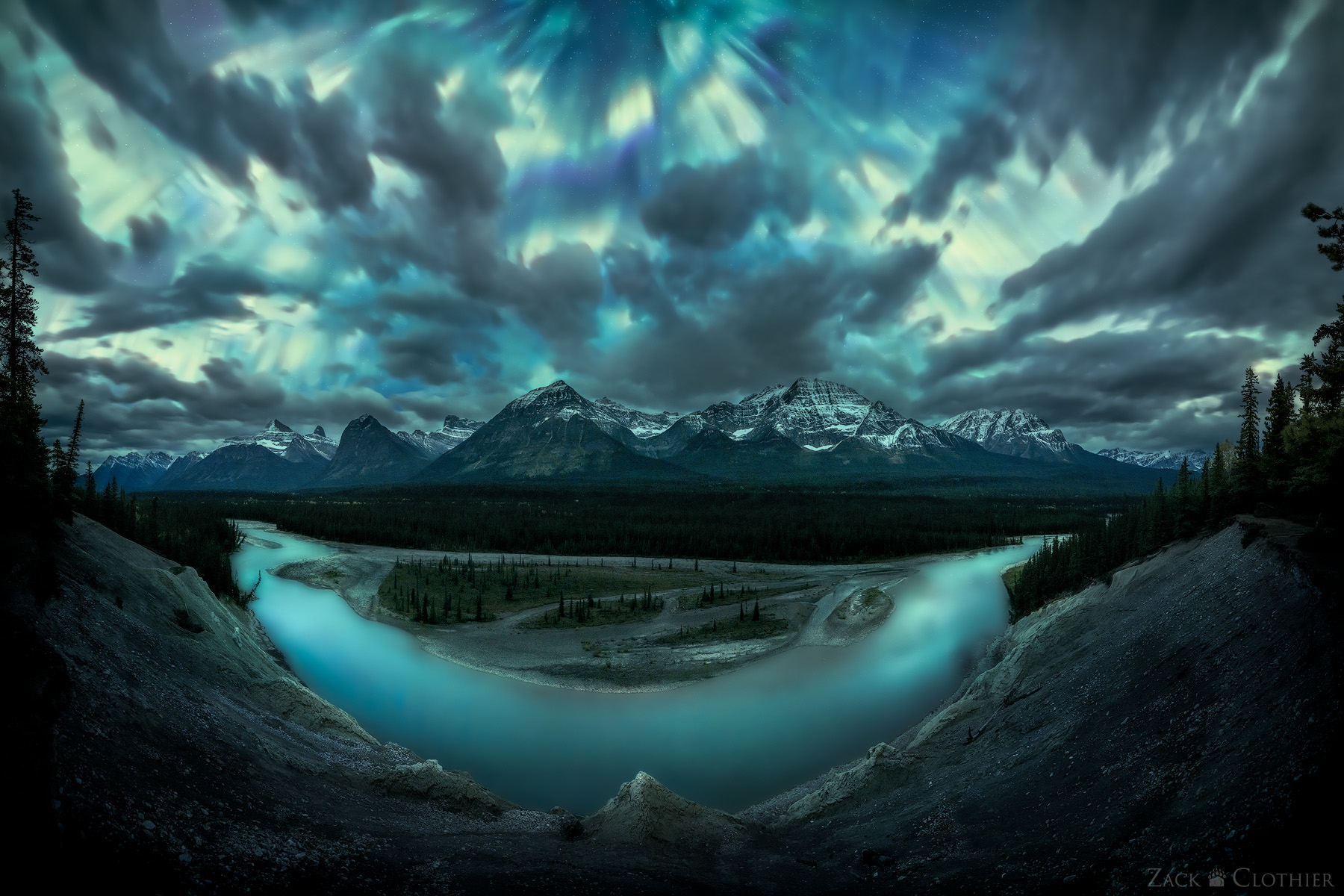
I stood high above the emerald waters of the Athabasca River, watching the aurora dance across the sky, weaving in and out of the clouds above. Being all alone out there, I felt as though the entire world had slowed down just for me, and all I could do was breathe it in and marvel at the beauty around me.

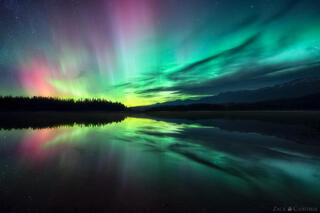
Brilliant auroras dance across the night sky above Peyto Lake on a magical autumn night, fueled by a powerful geomagnetic storm. Waves of green and magenta sweep overhead, reflecting faintly in the dark water below, while the surrounding peaks stand silent beneath the glow. Standing there in the cold, watching the sky come alive, I was in complete awe — one of those rare nights when the natural world puts on such a show that it is impossible to forget.
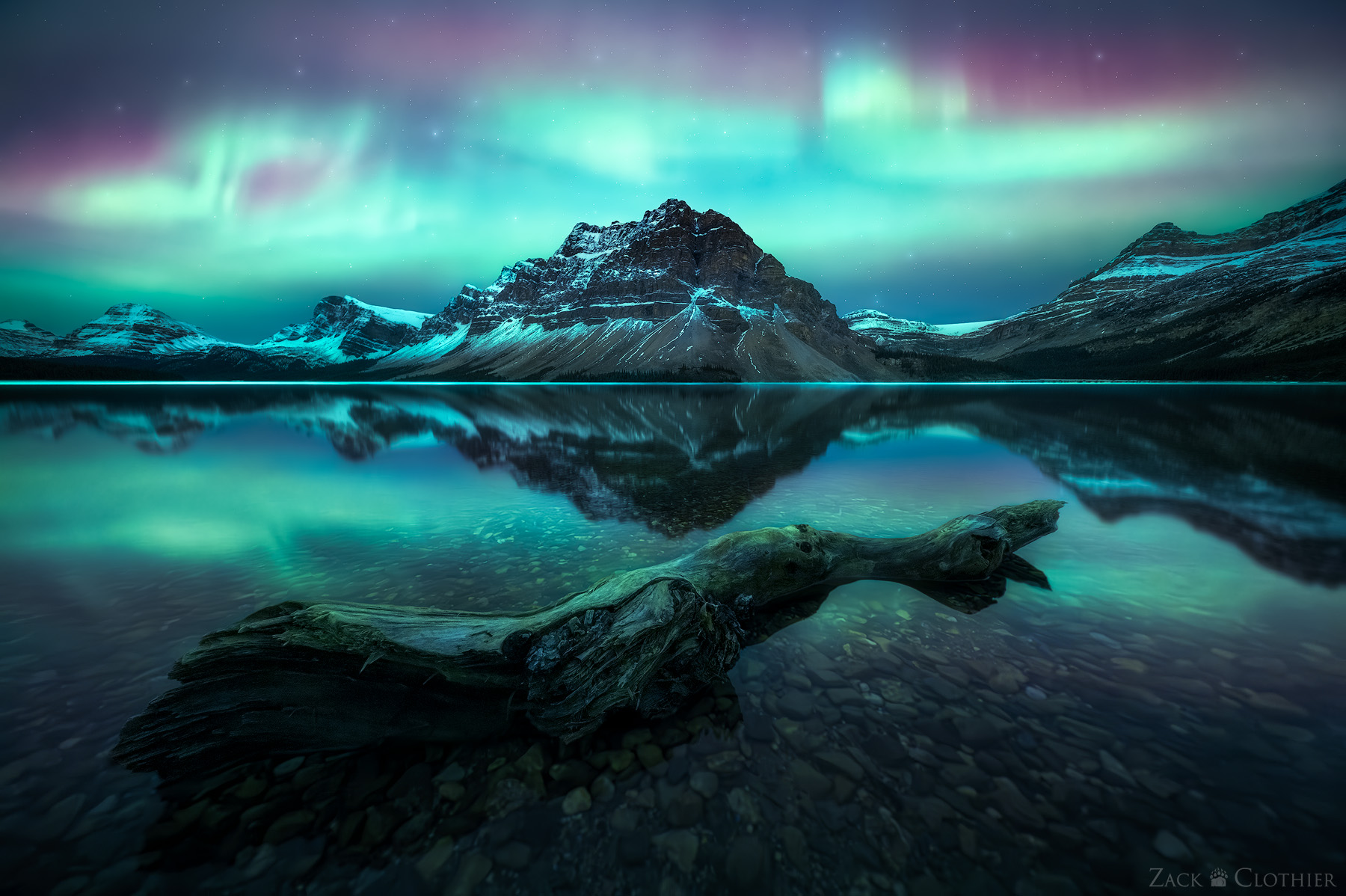
A night of pure wonder! This was one of the most breathtaking northern lights displays I’ve ever seen. The colors were so intense and vivid, so bright to the naked eye, that it almost felt unreal. Bow Lake felt like the perfect place to witness such a spectacle.
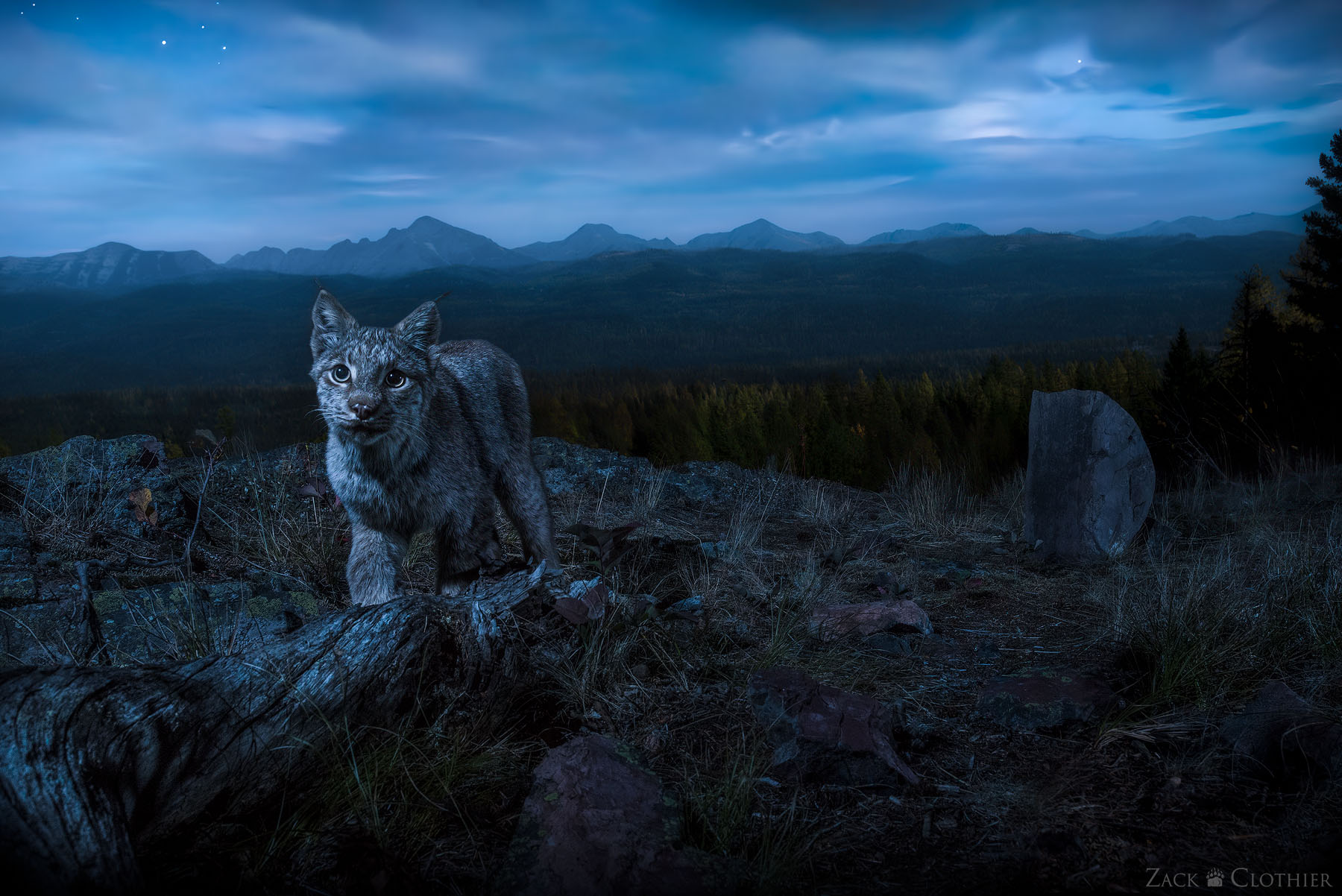
Under the soft glow of an autumn moon, a young Canada lynx gracefully prowls a rugged ridgeline. Every step is deliberate, its senses alert to the world around it, moving with a certain stealth that only a wild cat knows.
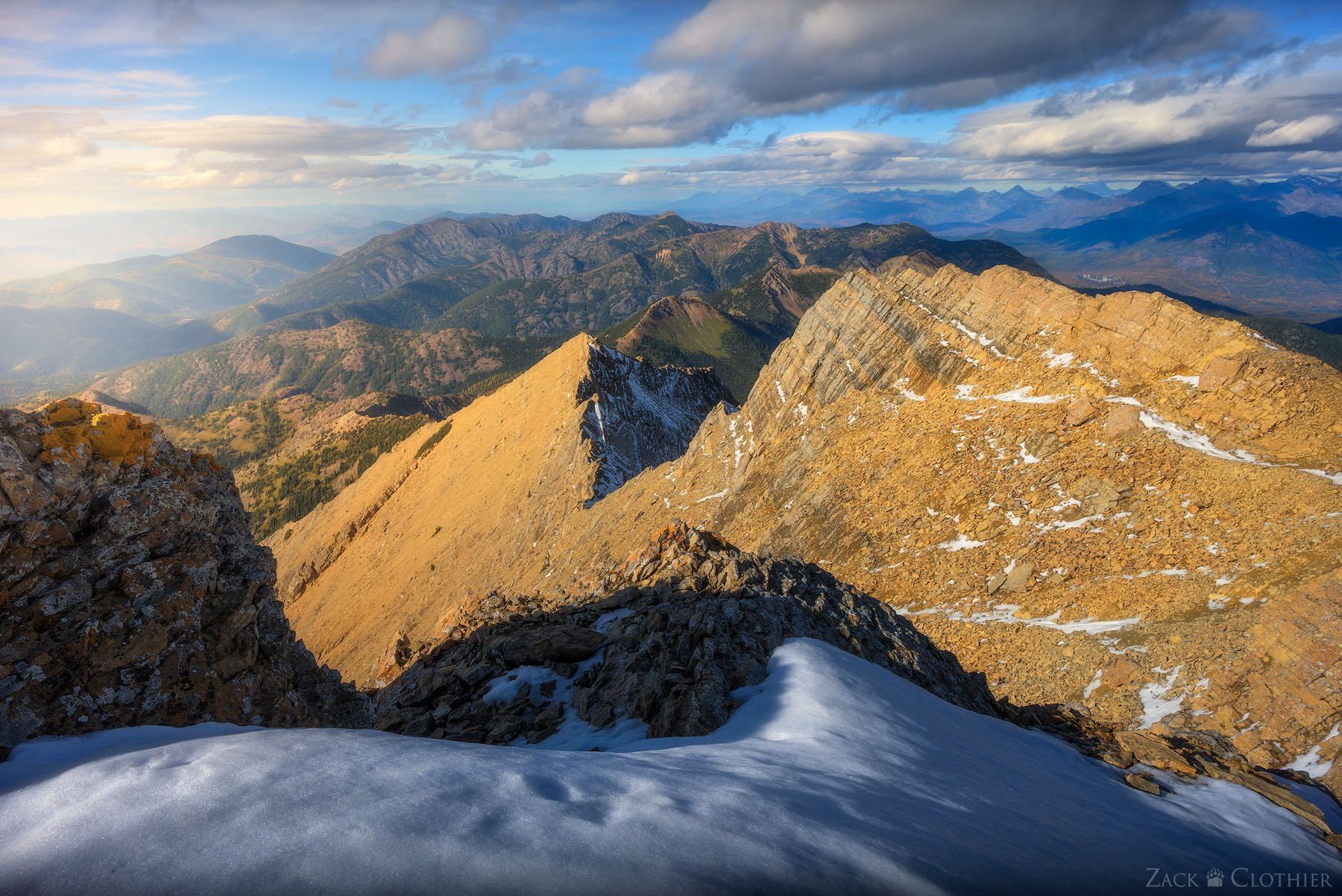
Looking back over the ridge we just climbed on the way to the summit of Great Northern Mountain, the highest peak in the Great Bear Wilderness, in late autumn. From this lofty vantage point, looking north, endless layers of mountains stretch on for miles and miles, reaching all the way into Canada.
Great Northern Mountain, like much of this region, was shaped by immense geological forces over hundreds of millions of years. Ancient sedimentary rock was uplifted during the Lewis Overthrust, when massive slabs of older rock were pushed eastward over younger layers. Later, powerful glaciers carved and sharpened the mountain’s ridges and cirques, sculpting the dramatic terrain we see today. Standing there, looking back across the ridge, it felt like tracing a path not just across distance—but across history.