
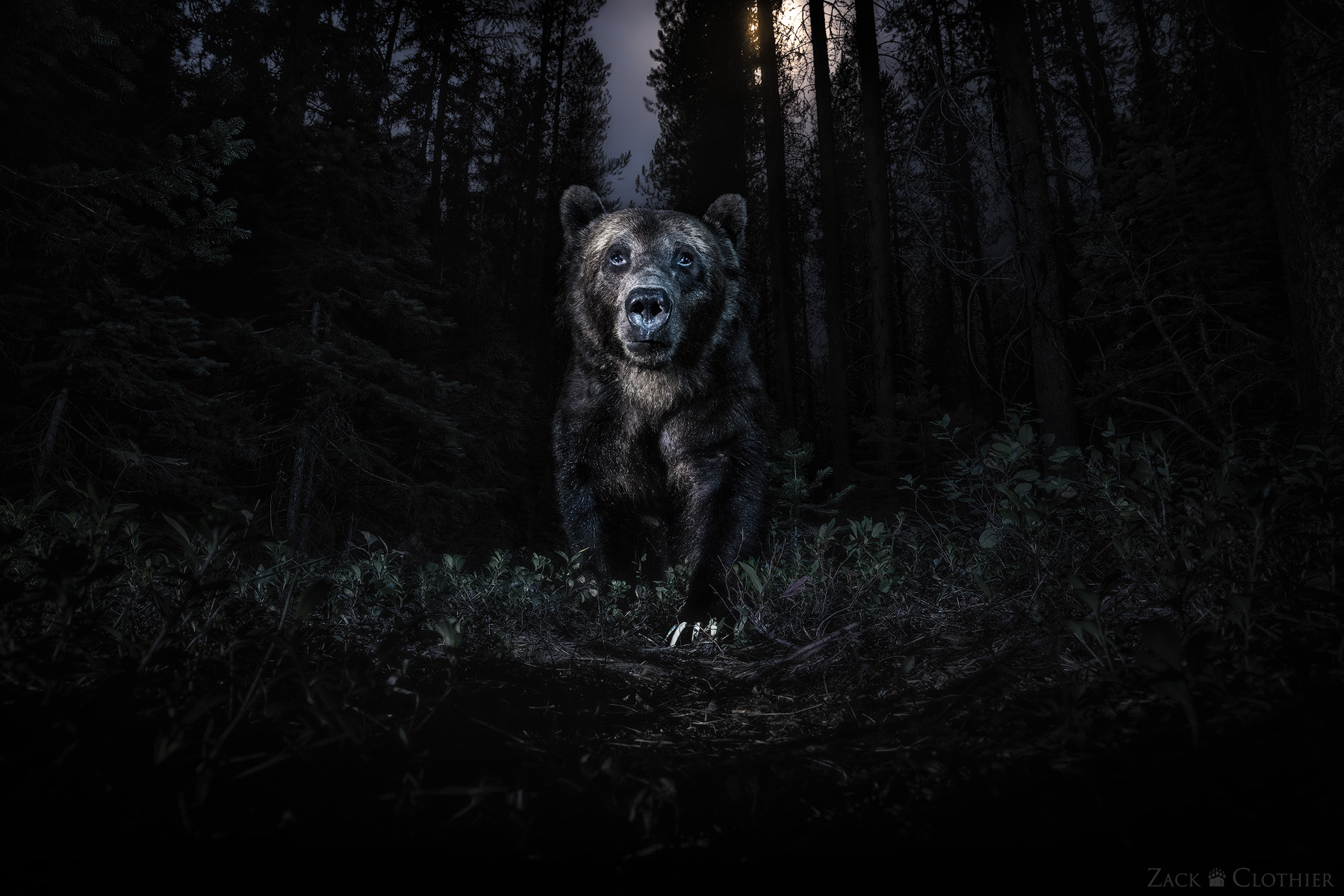
Capture Rare Wildlife Images Automatically
A Complete DSLR Camera Trapping Guide for Consistent, High-Quality Results in the Field
Stop missing once-in-a-lifetime moments. Learn how to reliably capture wildlife using proven camera trapping techniques—whether you're present or not.
This practical, field-tested guide is designed for photographers who want to create compelling wildlife imagery using DSLR camera trapping systems—without guesswork, wasted time, or unreliable setups.
Unlock the full potential of your wildlife photography with the most definitive eBook on DSLR camera trapping available today. This expertly crafted guide offers comprehensive, step-by-step instructions for building, setting up, optimizing, and mastering DSLR camera traps to capture stunning, candid images of elusive wildlife. Whether you're a beginner or an experienced photographer, this resource covers everything from selecting the right equipment and configuring camera settings to positioning traps for maximum success. Packed with high-quality images, detailed diagrams, pro-tips, troubleshooting advice, and real-world examples from the field, it’s the essential resource to transform your camera trapping efforts into stunning, pro-level results. Elevate your nature photography and bring the secret lives of wildlife into view with unmatched detail and precision.
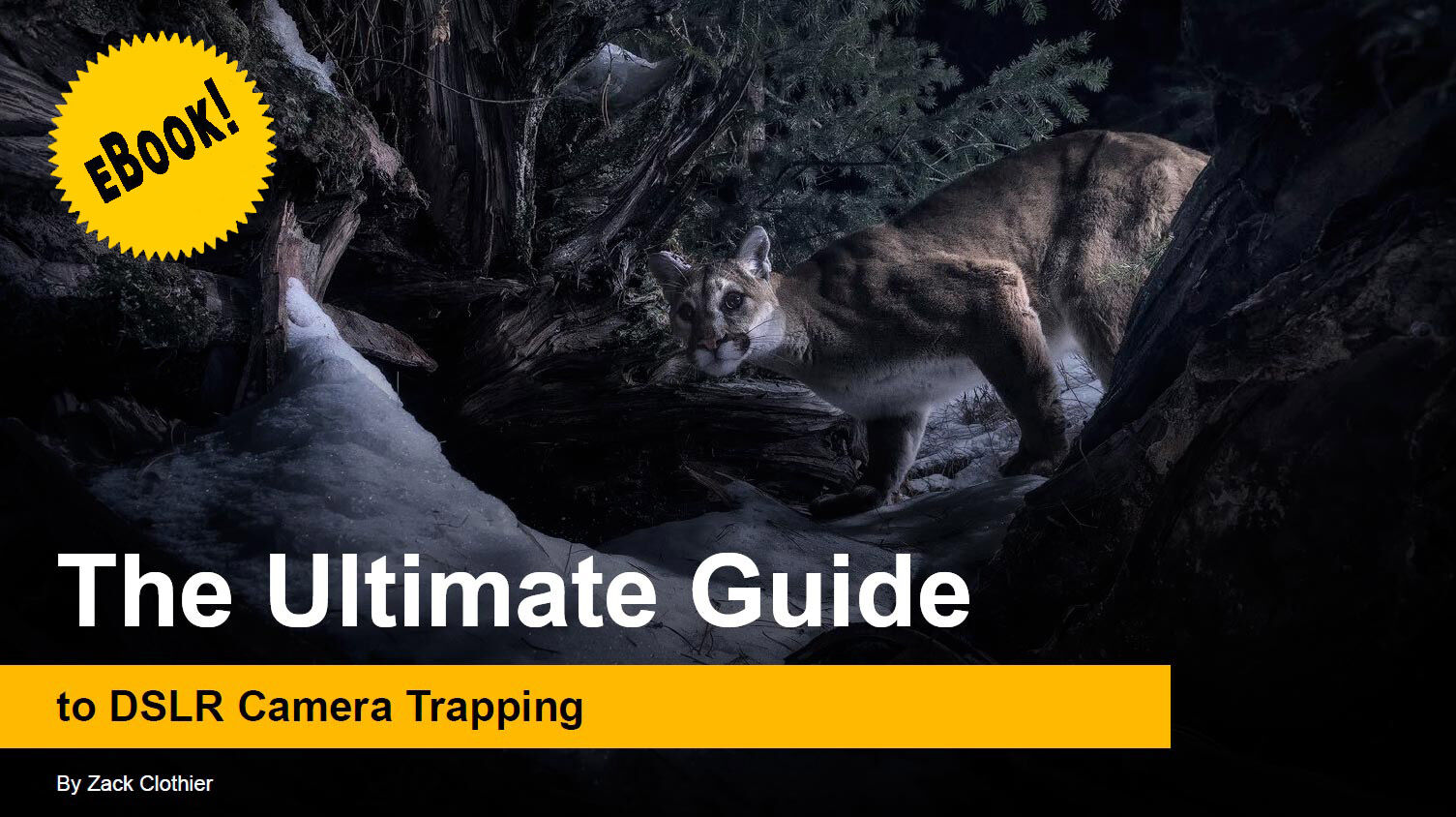
DSLR camera traps revolutionize wildlife photography by providing unparalleled access to natural animal behavior without human interference. Remote camera traps use DSLR (or Mirrorless) cameras, which allow photographers to capture candid, high-resolution images of elusive and nocturnal species that are often difficult to observe in person. These powerful devices are invaluable at capturing behaviors and moments that would be nearly impossible to document otherwise. In addition, camera traps can be left out for extended periods of time, from a few days to several months, making them very effective at documenting rare and elusive species. When combined with speedlights (flash), they become indispensable tools for capturing images of nocturnal wildlife.
Whether you're eager to document wild animals in their natural habitat for the first time, or simply want to hone your skills, this guide will serve as your steppingstone to mastering the art. Think of it as more of a crash course in DSLR camera trap wildlife photography, rather than just another instructional eBook. Many of the techniques I describe in my eBook have originated from years and years of camera trapping experience.
215 pages, Digital eBook, PDF Format / Published in 2022
Language: English, but the eBook can be translated into the language of your choice. A quick search online will reveal many methods for translation of PDF documents.
Device Requirements: This eBook has been optimized to work on any electronic device capable of viewing PDF documents. This includes tablets, phones, and laptops/desktop computers running Adobe Acrobat Reader 9.0 or higher (or any other PDF viewer)
***Upon purchasing, you will receive a secure link to the PDF file. If you have any trouble downloading the eBook, please Contact me.
$60.00
Get Instant Access to the Guide →
The Problem Most Wildlife Photographers Face
Wildlife photography is often limited by time, patience, and unpredictability.
Even experienced photographers face challenges like:
- Animals appearing when you’re not there
- Skittish subjects avoiding human presence
- Inconsistent results from improvised setups
- Wasted hours waiting for a single opportunity
- Technical issues with triggers, placement, or timing
Without a reliable system, capturing elusive wildlife becomes a matter of luck—not skill.
The Solution
This guide gives you a structured, repeatable approach to DSLR camera trapping—built from real-world field experience.
Instead of trial and error, you’ll learn a system that helps you:
- Position and deploy camera traps effectively
- Configure triggers for reliable activation
- Anticipate wildlife movement patterns
- Improve composition even in automated setups
- Capture sharp, well-timed images consistently
What You’ll Learn
Inside this guide, you’ll get a step-by-step breakdown of:
Camera Trap Fundamentals
Understand how DSLR camera trapping works and what makes a setup successful.
Gear Selection
Choose the right cameras, lenses, triggers, housings, and accessories for your goals and environment.
Choosing the Right Camera Settings & Creative Exposure Control
- Setting up your camera for consistent, reliable operation in remote trapping scenarios
- Understanding key exposure controls: aperture, shutter speed, and ISO in the context of motion and lighting conditions
- Balancing exposure for moving wildlife to ensure sharpness and proper illumination
- Selecting aperture for depth of field and subject isolation in constrained compositions
- Managing shutter speed to freeze motion or introduce controlled motion blur when creatively appropriate
- Adjusting ISO to maintain image quality while working in low-light or night conditions
- Configuring white balance for natural-looking color in mixed or artificial lighting environments
- Working with manual vs. semi-automatic modes for predictable, repeatable results
- Dialing in exposure settings specifically for flash-based setups vs. ambient light setups
- Using exposure compensation and metering strategies when applicable to automated capture
- Testing and refining settings in the field to account for environmental variability and subject behavior
- Applying creative exposure techniques to elevate image aesthetics while maintaining technical reliability
Trigger Systems Explained
Learn how to work with:
- Motion-based triggers
- Differences between active and passive infrared systems
Powering Your Camera Trap Systems
- Powering cameras, triggers, and external flashes for extended deployments
- Battery types and configurations for reliability in the field
- Managing power consumption and efficiency
- External battery solutions
- Cold-weather and long-duration power considerations
Working with Speedlights to Create Natural Light
- Using speedlights effectively in camera trap scenarios
- Balancing flash output with ambient light
- Diffusion and light shaping techniques
- Avoiding harsh or artificial-looking illumination
- Positioning flashes for directional, lifelike results
- Syncing flash behavior with trigger systems for consistent exposure
Building Your Own Camera Trap & Flash Housings
- Designing and constructing durable, weather-resistant housings
- Materials, layout, and mounting considerations
- Protecting camera bodies and external flashes in the field
- Creating modular systems for long-term deployments
- Practical build approaches that balance protection, accessibility, and reliability
- Security measures to prevent theft
Field Setup & Placement
- Positioning for optimal wildlife movement
- Framing and composition strategies
- Nailing the focus in your camera trap images
- Avoiding common placement mistakes
- Working with terrain, light, and behavior
Weatherproofing & Protection
- Protecting your gear from the elements
- Managing condensation, moisture, and temperature changes
- Long-term deployment considerations
Deployment Workflow
- Learn how to set up your camera trap
- Testing and calibration
- Helpful checklists for camera trappers
- Field adjustments and troubleshooting
Learning from Real-World Scenarios & Setups
- Analyzing actual field deployments and how they were configured
- Understanding why specific setups were used in different environments
- Translating real-world examples into repeatable strategies
- Lessons learned from successes and failures in the field
- Practical insights that go beyond theory and reflect actual camera trap performance
Becoming a Better Naturalist — Basic North American Animal Track & Sign Identification
- Identifying common North American wildlife tracks and distinguishing species by prints (e.g., deer, elk, bear, coyote, cougar, fox, and more)
- Reading track patterns, stride, gait, and movement direction
- Understanding animal sign such as scat, scrapes, rubs, beds, and travel corridors
- Recognizing habitat-specific clues across forests, mountains, grasslands, and riparian zones
- Using environmental indicators (terrain, cover, water sources) to predict animal presence
- Locating high-probability areas for camera placement based on track and sign evidence
- Interpreting sign to better anticipate behavior and increase successful captures in the field
Overview of Commercial Camera Trapping Gear Available Today
- Understanding the range of commercially available camera trapping systems and components
- Commercial trigger systems and control units (motion sensors, infrared beams, and programmable controllers)
- Available camera housings, weatherproof enclosures, and mounting solutions designed for field use
- Flash systems and accessories designed for remote operation and synchronization
- Power solutions including external battery packs, solar options, and long-duration field power systems
- Commercial mounting hardware, brackets, clamps, and support systems for stable deployment
Troubleshooting Common Issues
- Missed triggers
- False triggers
- Battery failures
- Flashes not firing
Who This Is For
This guide is ideal for:
- Wildlife photographers looking to expand their capabilities
- Fine art photographers seeking rare, unique imagery
- Outdoor and nature photographers interested in remote capture techniques
- Basic, intermediate, and advanced users who want a structured system
No prior camera trapping experience is required, but a basic understanding of DSLR operation is helpful.
What Makes This Guide Different
This is not a generic overview.
It’s a practical system built around:
- Real field conditions
- Tested workflows
- Repeatable results
- Problem-solving approaches used in actual deployments
No fluff. No scattered advice. Just a clear path from setup to successful captures.
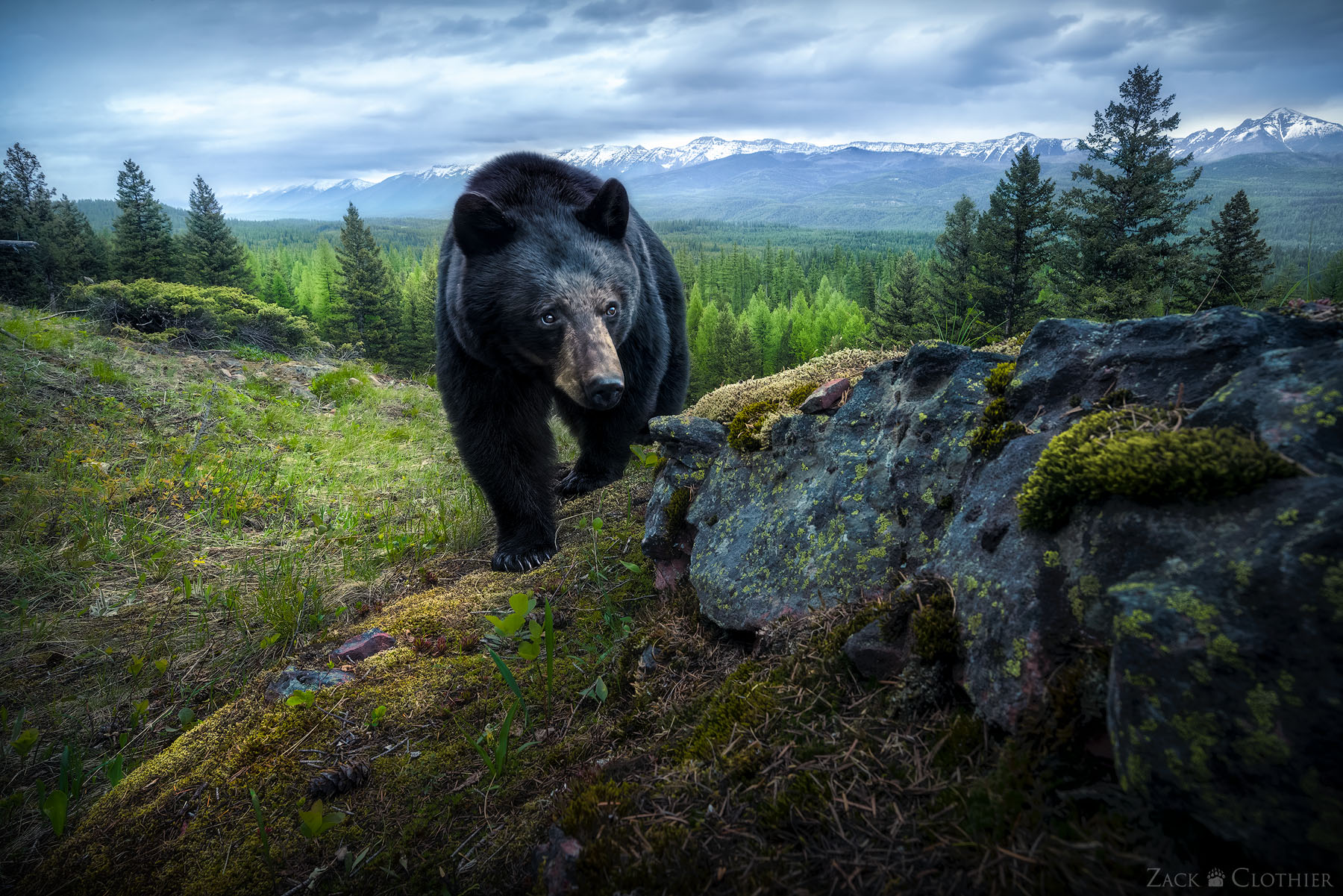
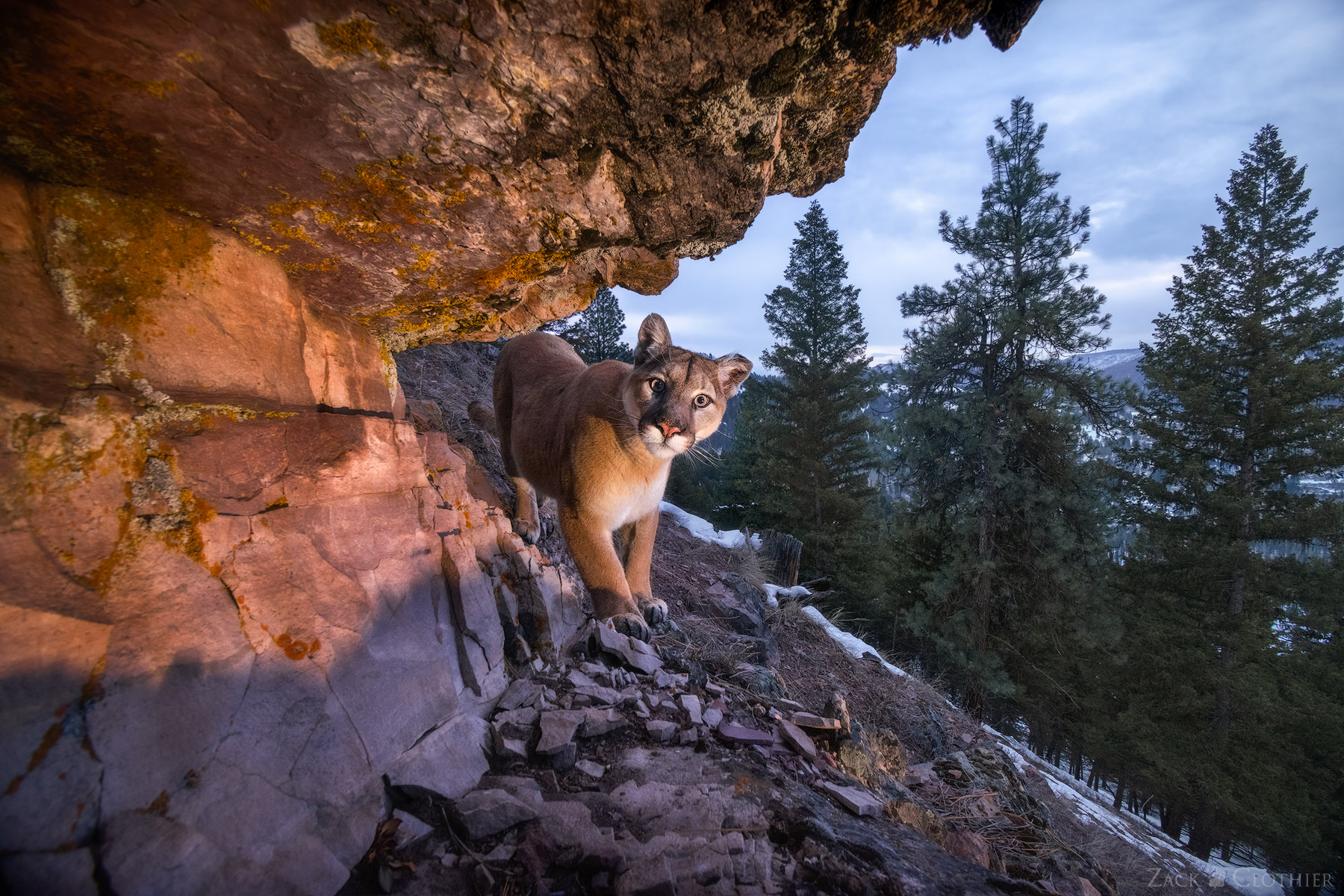
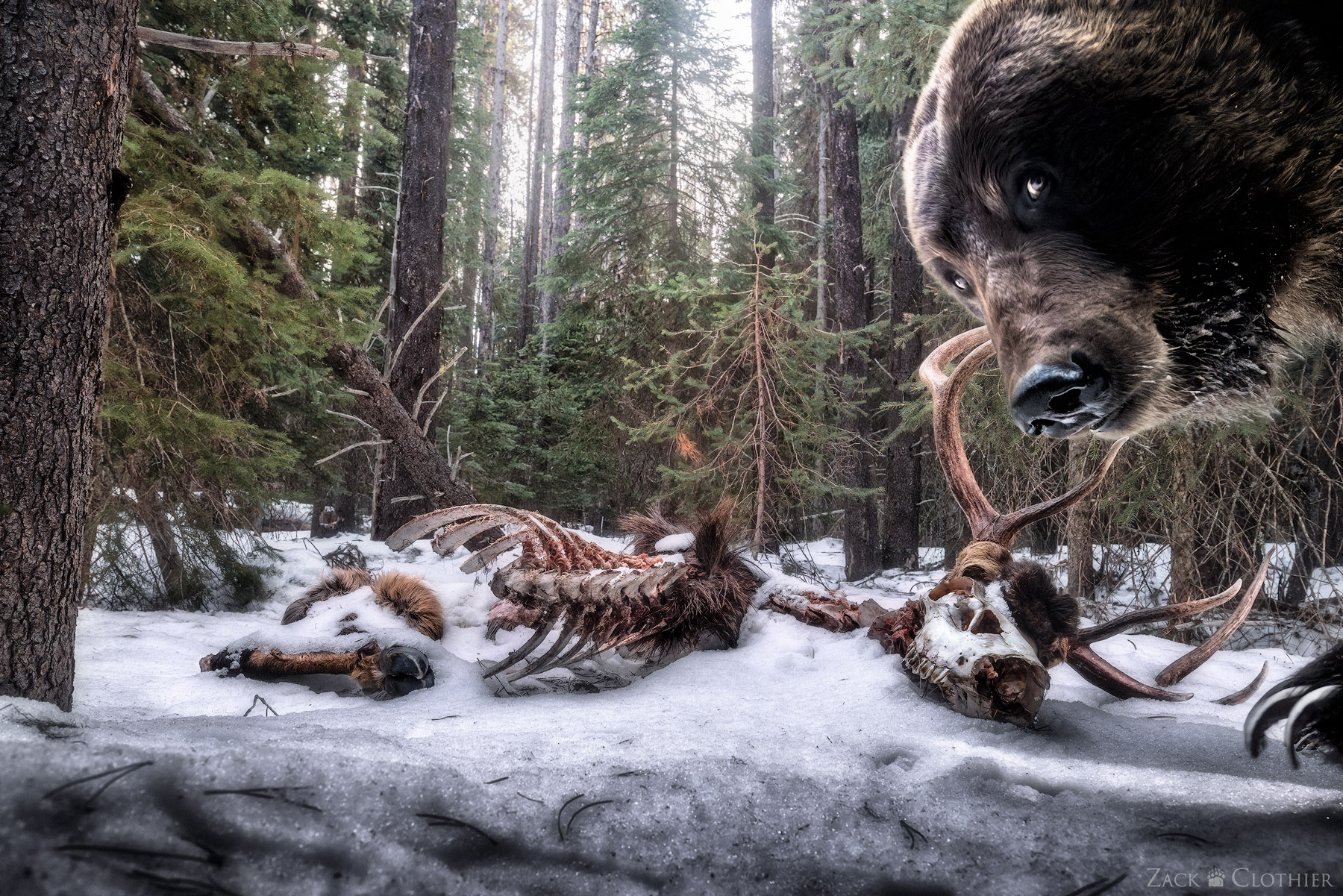
LEARN THE ART OF CAMERA TRAP PHOTOGRAPHY FROM A PROFESSIONAL.
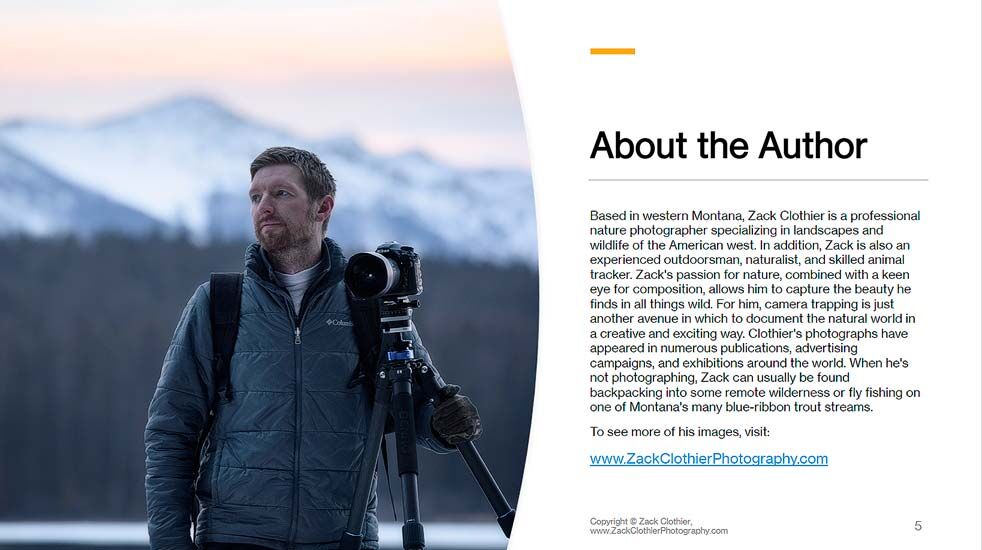
This guide is built from extensive field experience working with wildlife and remote photography setups across a variety of environments. The techniques presented are grounded in hands-on deployments, iterative testing, and real-world refinement—not theory alone.
Designed to support both those beginning their journey into DSLR camera trapping as well as experienced photographers looking to refine their existing systems, this guide provides a structured approach to building a more reliable and intentional workflow.
Whether you are just getting started or looking to elevate your current setup, it will help you work more efficiently in the field, avoid common mistakes, and achieve consistent, high-quality results.
Camera trapping often changes the way you approach wildlife photography—and for many, it becomes a long-term pursuit.
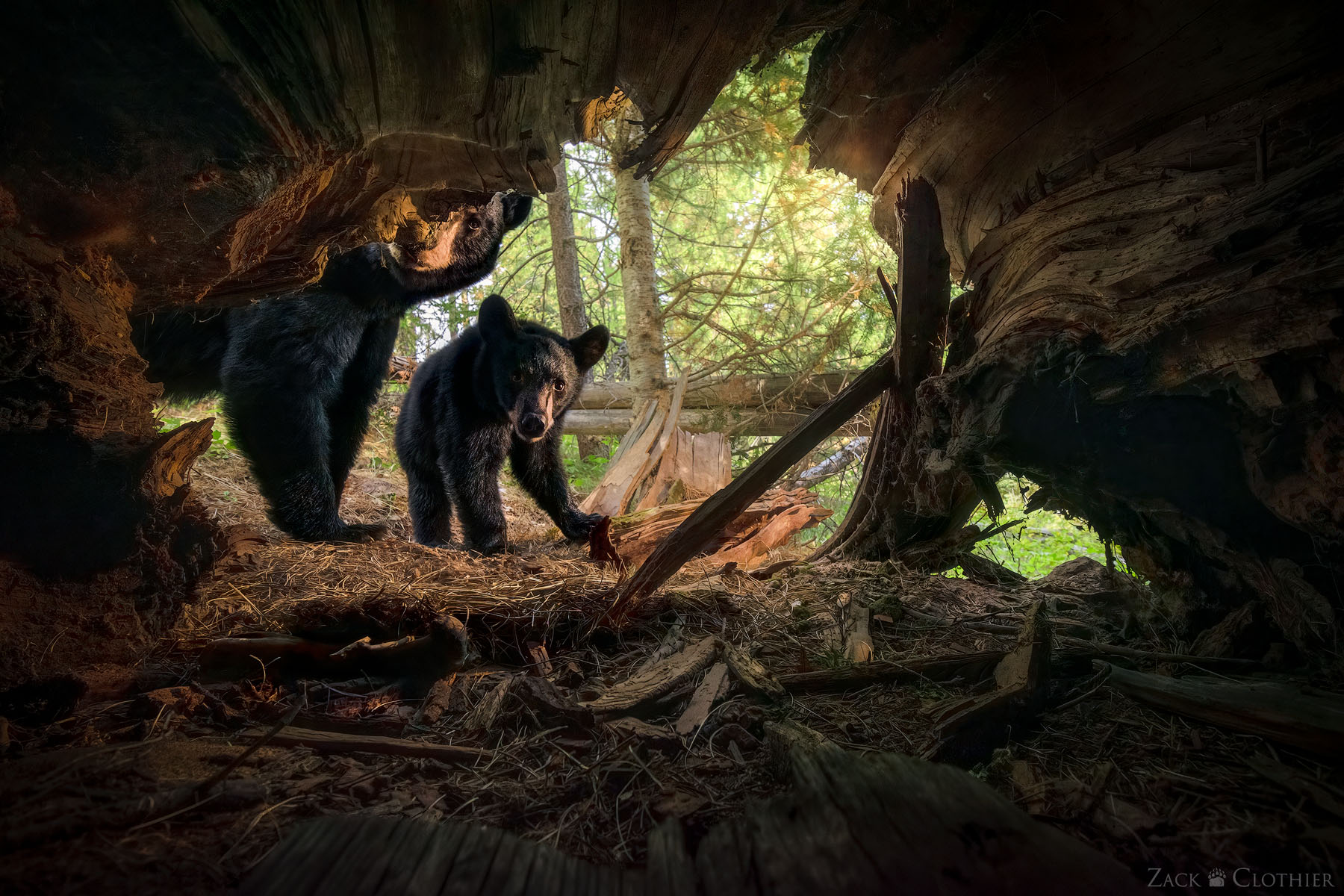
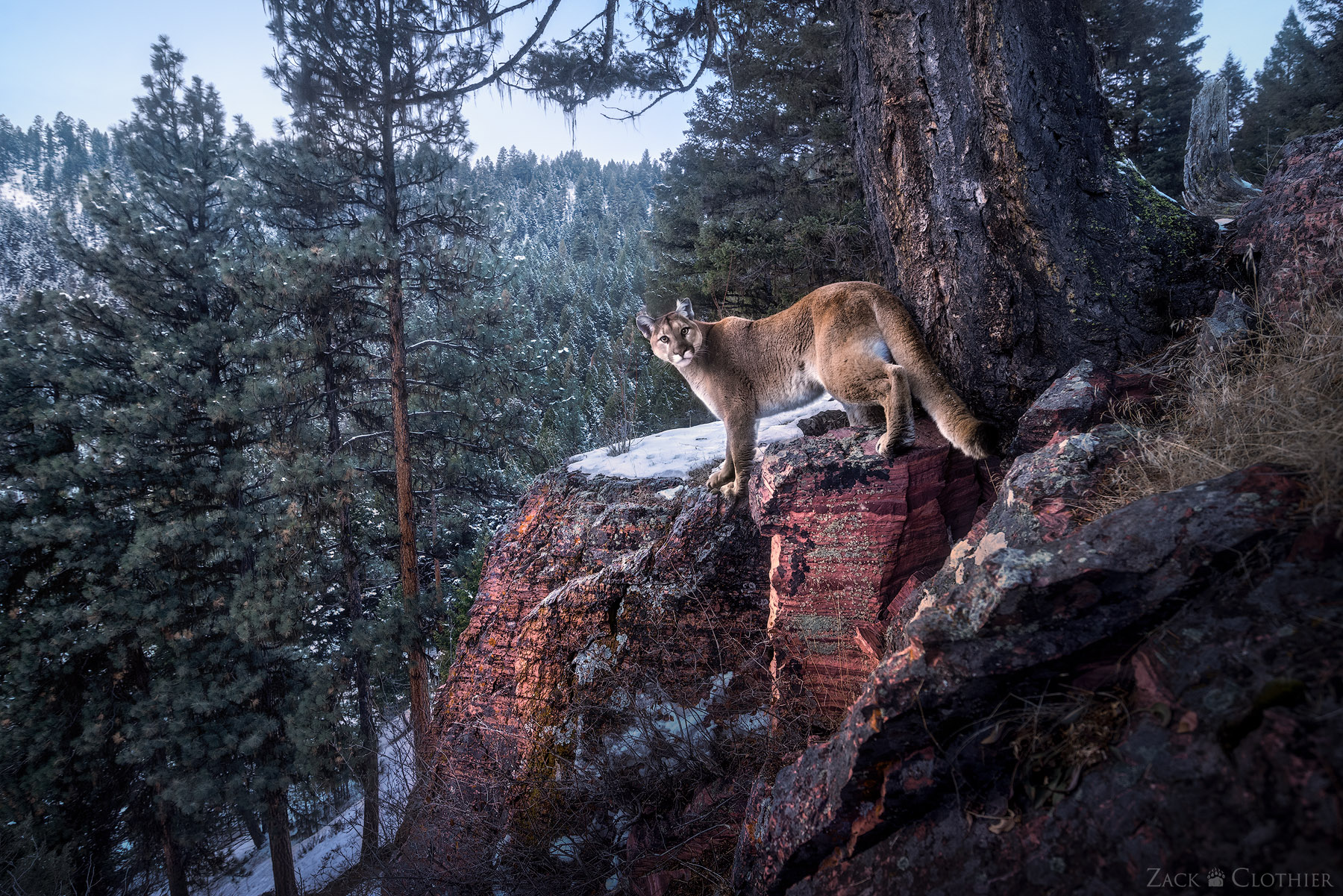
Frequently Asked Questions
What is a DSLR camera trap?
How do I turn my DSLR into a camera trap for wildlife?
How do you set up a DSLR camera trap?
This guide is designed to teach you everything you need to know to build a complete and reliable wildlife camera trap setup.
What lenses and flashes are best for wildlife camera traps?
Lens focal length, flash power, and diffusion all play a role in achieving natural-looking results. In the guide, I provide recommendations for cameras, lenses, and flash setups.
What are the best camera settings for DSLR camera trap photography?
Manual exposure is often used to maintain consistency, especially when working with flash systems. In the guide, I cover preferred settings along with creative exposure approaches using both manual and semi-automatic modes.
Is this eBook suitable for beginners?
What equipment do I need?
It is essential that your camera has a remote shutter port. Most DSLR cameras do, but some entry-level DSLR and mirrorless models may not. Specific equipment recommendations are included in the guide.
Will my camera trap work in different environments?
How long does it take to see results?
Start Capturing Wildlife on Your Terms
Move beyond chance and begin using a repeatable system for truly one-of-a-kind wildlife imagery.
Get Instant Access to the Guide → ($60)
When Camera Trapping, You Are Only Limited By Your Own Imagination.
What Others Are Saying!
“I just purchased a copy of Zack’s ebook and my first thought was: “I wish this existed 15 years ago when I first started camera trapping!” As I spent many years making mistakes, emailing other cam-trap photographers with questions and learning via trial and error. It’s extremely well illustrated with Zack’s photo examples, informative illustrations and beautiful layout. He’s really created something special here! This is a fantastic resource for camera trap photographers of all skill levels wanting to capture pro-level photographs. This ebook will fast track photographers new to this style of photography, so they don’t have to spend years making costly mistakes as I did, and it provides plenty of great tips for advanced camera trappers to fine tune their skills. Whether you’re just starting camera trapping or someone like me, an experienced cam trapper but still learning, The Ultimate Guide to DSLR Camera Trapping ebook is highly recommended and worth every penny! Job well done Zack. Thanks for this amazing resource!” — Kalon Baughan (Instagram - KalonBaughhan)
“I finally purchased your ebook and I wish I had bought it earlier. It is so well written. Easy to follow and understand. I’m setting my camera trap back up next week and I’m excited to utilize some of the new knowledge. Thank you so much!” — Shannon Phifer (Instagram - Shannon Phifer Photography
“I’ve purchased the ebook and wanted to say, “Great Job!” I love the images and your writing is concise. Your image style of “not looking like flash”, is compelling and certainly not what you see from most people doing camera trapping. You have made me re-think my lighting and post processing!” — Pete Z.
“The ebook is well over 200 pages, so it took some time to go through it all. I gained piles of information. I incorporated many of your camera settings and I really liked the pro tips. Very easy to reference when I need a quick refresher. The specific lighting strategies are very very helpful. The word composition now plays over and over in my head.” — Daryl Dean
“Great eBook, it is very instructive and helpful! Looking forward to giving my newfound knowledge and toys a shot in the wild!” — Shaun C.
This is an excellent, comprehensive guide to dslr camera trap photography. I wish I had found this resource before I started building my camera trap, it would have saved me countless hours of research. The best part about it is that all the information is in one place. Prior to this book I got my information from various youtube videos and blogs, which are hard to find again for reference, and are not as in-depth as this ebook. I got the book for tips on flash lighting techniques after I had already built my camera trap, and it immediately helped me improve my photos. There are also excellent recommendations for building waterproof housings for the equipment, especially the clear cases for the flashes. 10/10 worth the price. — Otto O.
Great detail with clear and straightforward direction on how to setup a quality camera trap! Lots of cost-effective older cameras and lenses recommended, much appreciated! — Mark S.
Super happy with the purchase. Zack does an incredible job detailing setup and tools needed for camera trapping. Definitely recommend to anyone who is thinking about getting started. — Grant W.
Excellent e-book. Lots of information in this guide that that I could not find online. — John O.