
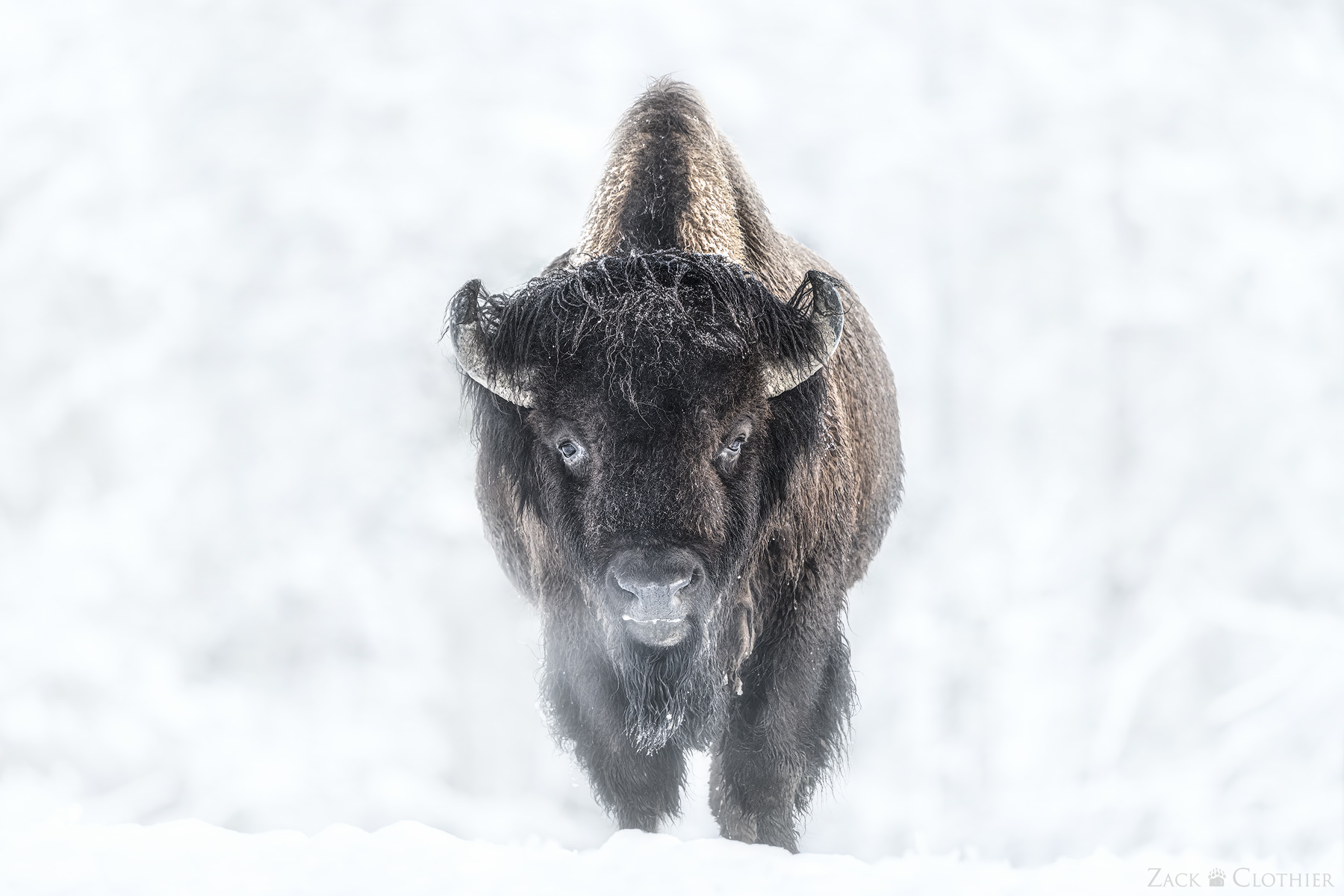
Not All “Fine Art” Is Fine Art
In today’s photography world, “fine art” has become one of the most overused—and diluted—terms in the industry. It’s routinely applied to images simply because they’re printed on premium materials, framed, or sold at higher price points, even if the images themselves lack the intentionality, concept, or emotional depth that defines true fine art photography. At its core, fine art photography is not about presentation—it’s about intention. It is the result of deliberate creative decisions aimed at expressing an idea, evoking emotion, or offering a unique perspective. Without that underlying purpose, the label becomes less a reflection of the work and more a tool of positioning.
This growing tendency to label nearly everything as fine art has created a kind of visual inflation—where the term itself carries less weight because it is applied so broadly. In a market saturated with beautiful imagery, “fine art” is often used as shorthand for “elevated” or “luxury,” rather than as a true indicator of artistic depth. The result is a landscape where genuinely thoughtful, concept-driven work competes alongside images that are aesthetically pleasing but creatively surface-level. For collectors, this makes discernment more important than ever; for photographers, it raises the bar on what it actually means to create work of substance.
A compelling photograph can certainly be beautiful without being fine art—but fine art must go further. It requires a point of view. It asks something of the viewer, whether that’s emotional engagement, reflection, or interpretation. The strongest fine art images are rarely accidental; they are refined over time, shaped by experience, and guided by a clear artistic voice. They reveal not just what a scene looked like, but how it felt, what it meant, or why it mattered. That depth cannot be added after the fact through editing or presentation—it has to be built into the image from the moment it is conceived.
For photographers, this distinction is critical. Relying on the “fine art” label as a shortcut to credibility ultimately undermines both the work and the artist behind it. True fine art demands more. It carries a responsibility: to challenge, inspire, or transport the viewer, and to reflect the artist’s personal vision and mastery of their craft. It often involves slowing down, revisiting subjects, and refining ideas until the final image carries weight beyond its surface beauty. That process is what gives fine art its staying power.

Ultimately, the value of fine art photography lies in its authenticity. It is not defined by what it is printed on, how it is marketed, or what it is called—it is defined by the depth of thought, care, and vision behind it. As the term continues to be stretched, its meaning becomes something that must be demonstrated rather than declared. For those who truly create fine art, that distinction is clear—not because they say it, but because the work itself leaves no question.