Camera Trapping Grizzly Bears in Montana
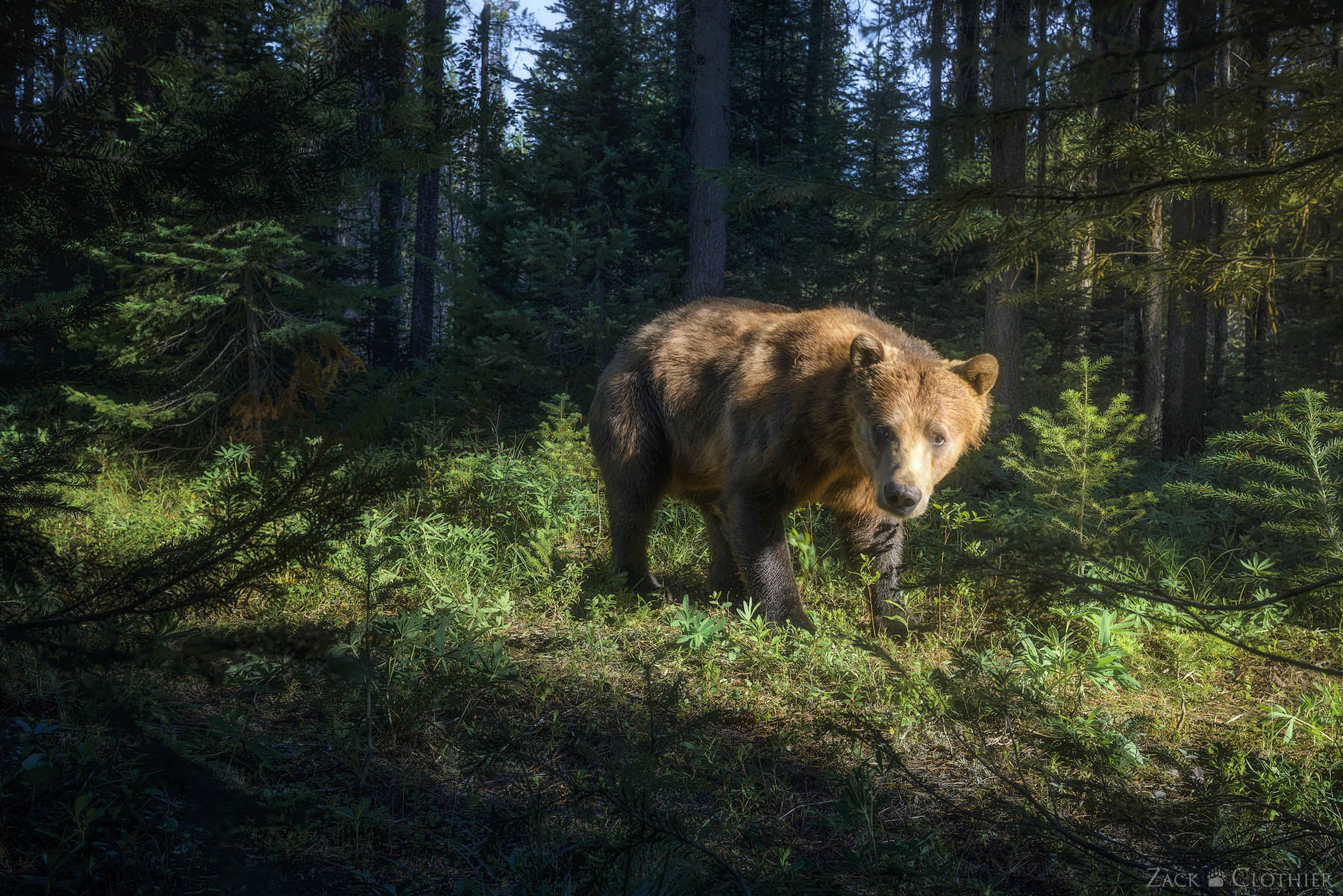
Ever since capturing my internationally award-winning print Grizzly Remains, I’ve been drawn back to a single question: what else is possible with these formidable animals? This year, I set out to explore that question by deploying a series of DSLR camera traps in the wilds of Montana, hoping to capture grizzly bears on their own terms, far from roads and human presence.
The project began long before I set foot in the field. Over the past decade, I’ve accumulated a large collection of data points—tracks pressed into the earth, scat, scarred “bear trees,” well-worn travel corridors, den sites, and other subtle signs that bears leave behind. I studied these records carefully, looking for patterns. Once I identified a handful of promising areas, I returned to them on foot, searching for fresh sign that suggested the bears were still moving through these areas.
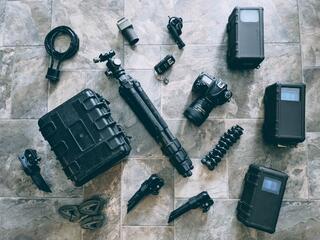
With a few strong locations narrowed down, I began installing the camera traps. I returned several times each month to check the equipment and make sure everything was still functioning. Bears—especially black bears—have a talent for dismantling camera setups, and I wanted to minimize downtime caused by dead batteries or curious paws knocking things around.
About a week after the cameras went live, grizzlies began appearing on a few of them. Camera trapping is always an exercise in patience and luck. Often the bears passed through too quickly, or they were headed in the wrong direction, and sometimes they arrived under the cover of darkness. Still, there were a handful of moments when they moved through during daylight, offering brief but compelling glimpses into their lives.
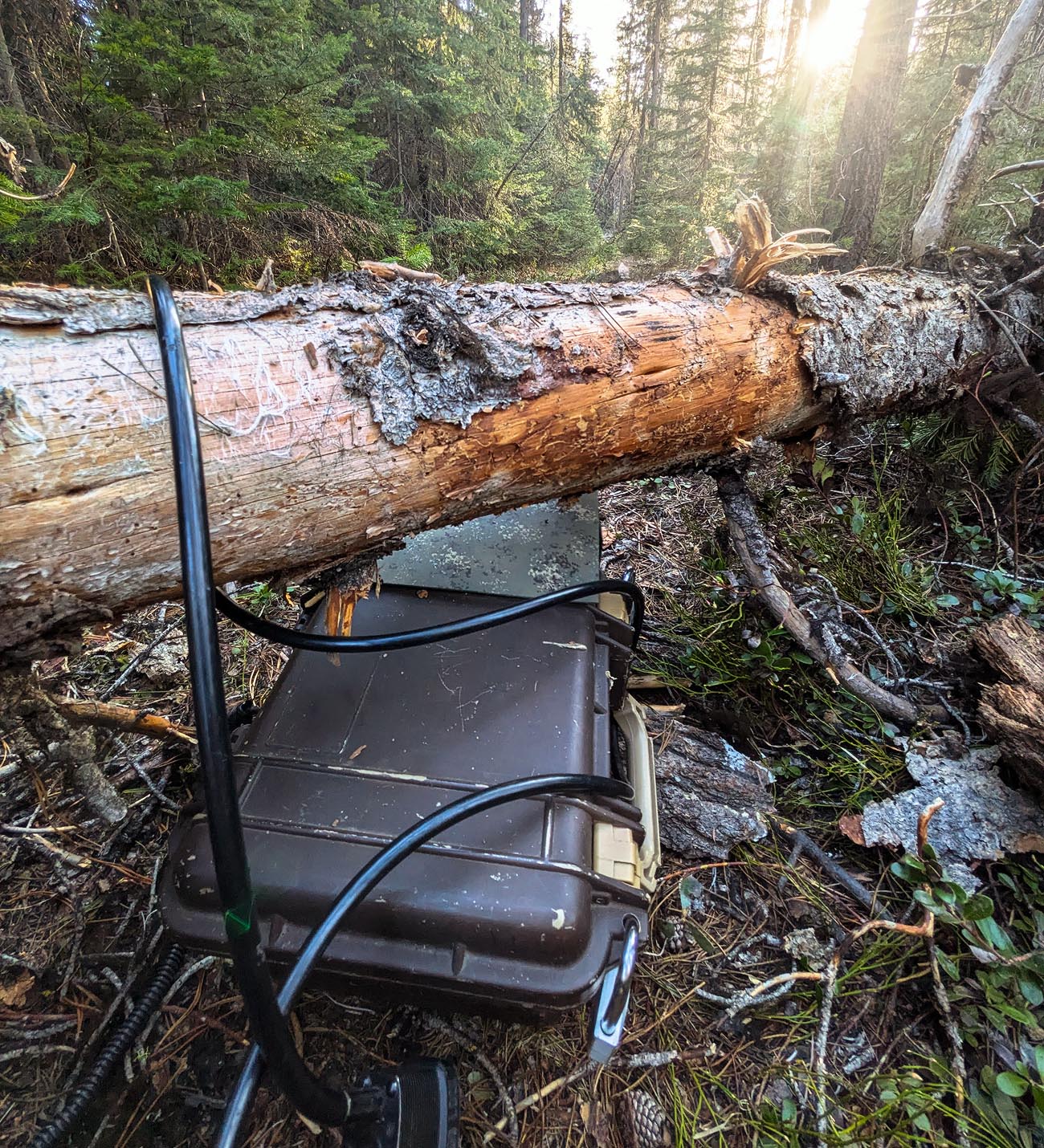
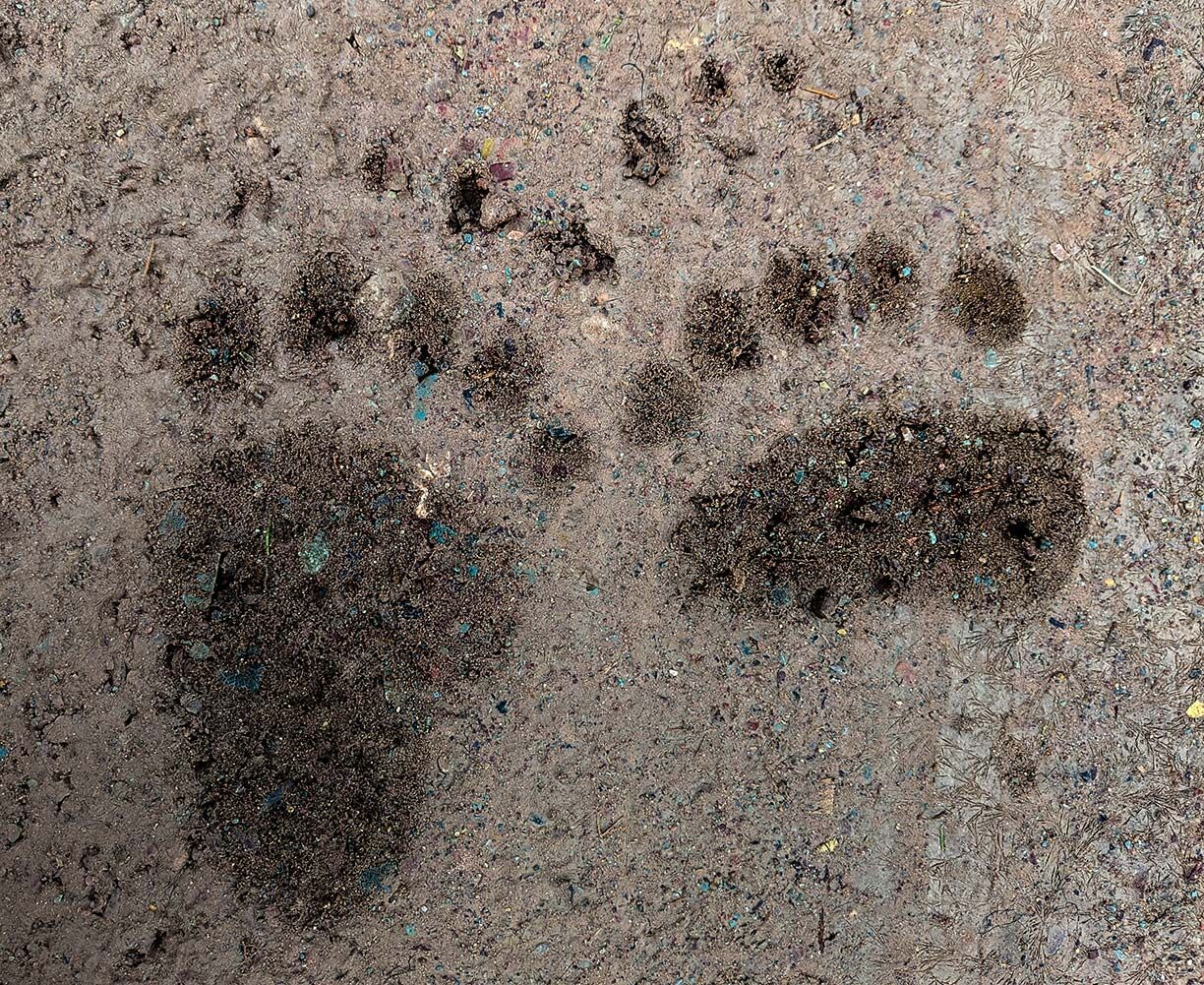
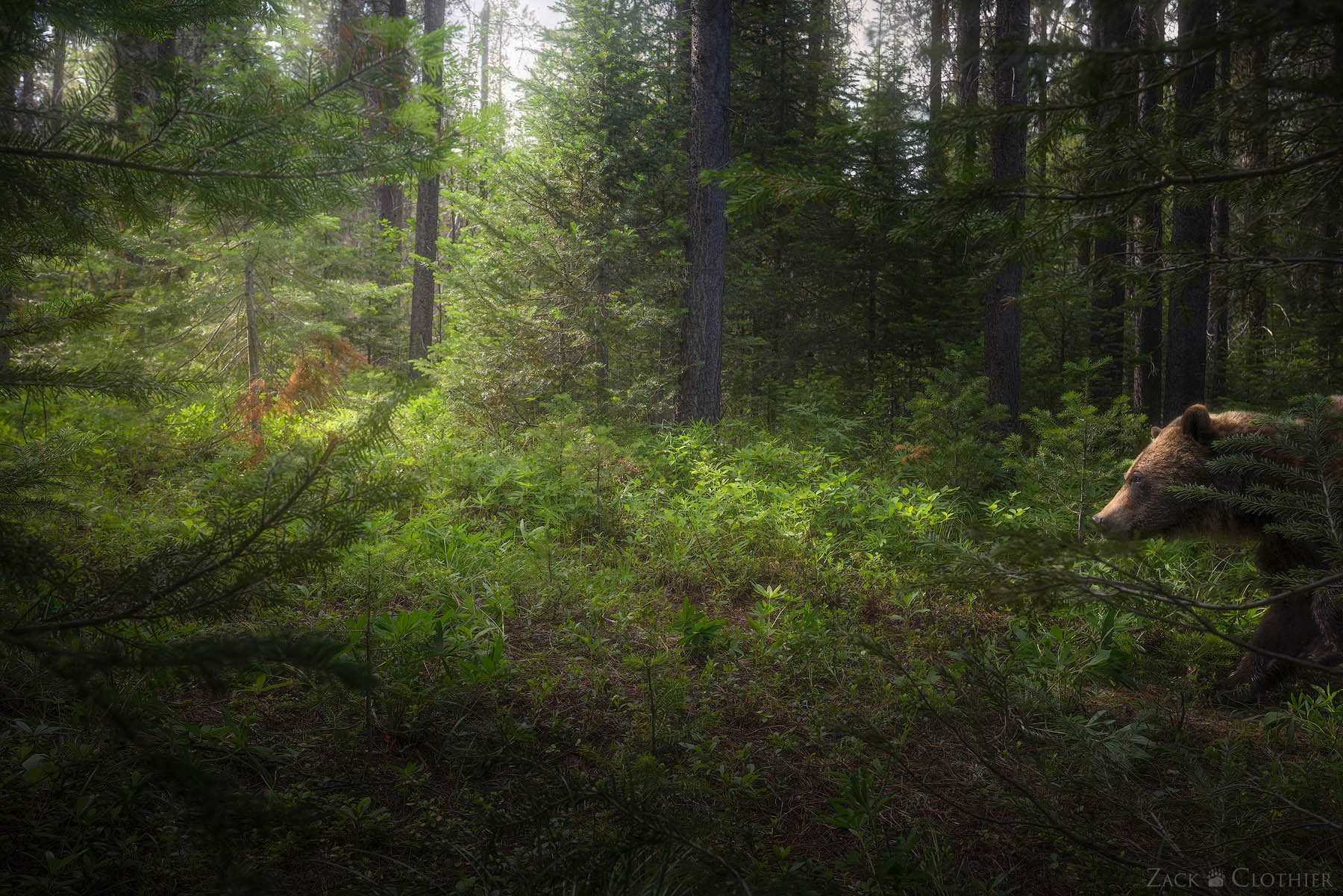
As spring gave way to summer, one location consistently produced activity. A few of the bears, however, seemed uneasy around the cameras. During one maintenance visit, I spent extra time studying the scene, searching for a way to better conceal my setup. A fallen tree crossing the path offered the solution. I secured the camera beneath it, tucking it out of sight. A few weeks later, I captured the image I had envisioned—an older, pale-blond grizzly passing through the frame at night, unaware of the lens watching quietly from below.
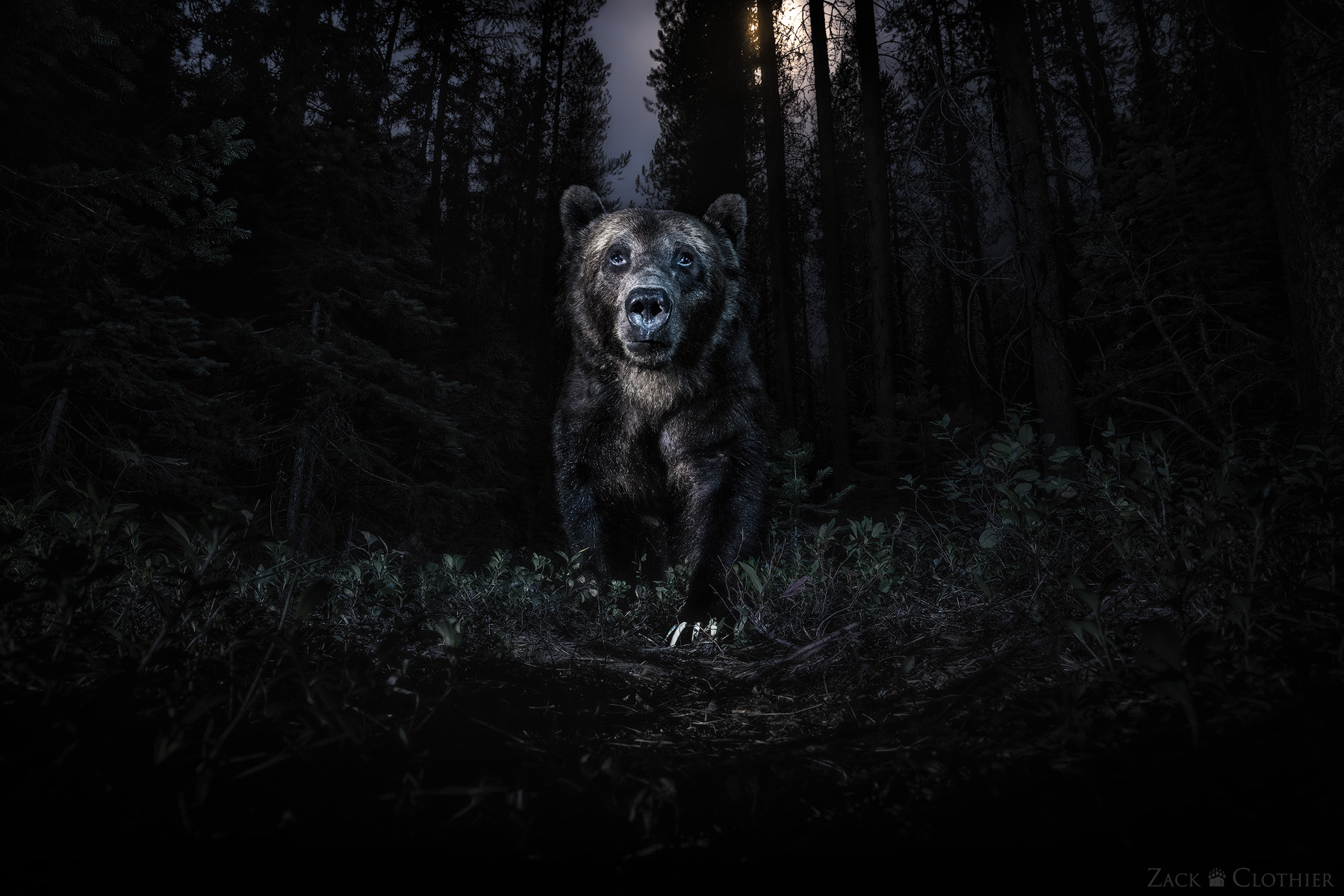
A large grizzly bear I captured using a DSLR camera trap on a summer night in Montana. I took some artistic liberties with this one during post processing, since the light from one of my flashes was visible in the upper portion of the photo. At first, I decided to remove the light from the flash entirely, but something about it didn't quite feel right. I sat on the image for quite some time before coming up with an idea. What if I was able to use the light from the flash to my advantage and turn it into a more natural looking light source, say, from the moon? I went back and reprocessed the image, diffusing the light through the trees. I think in the end, my mistake with the flash was actually a blessing in disguise!
After that, the activity slowed. Months passed with little to show for my effort. Then, in the fall, I returned to an area where I’ve encountered grizzly tracks year after year. There, I found something unexpected: a small stream filled with spawning salmon. I had my suspicions. I hung a few simple trail cameras to monitor the area and returned a few days later to see what they had recorded.
What I found—grainy though the footage was—stopped me cold.
I’ve continued this story in The Wild Journal, where I share the full account of what happened next.
The Wild Journal is where I share longer stories, field notes, rare wildlife encounters, never-before-published images, and the experiences behind my photographs. Consider subscribing (it's free!) to gain access to my full archive of stories and my experiences in the wild. I hope to see you there!
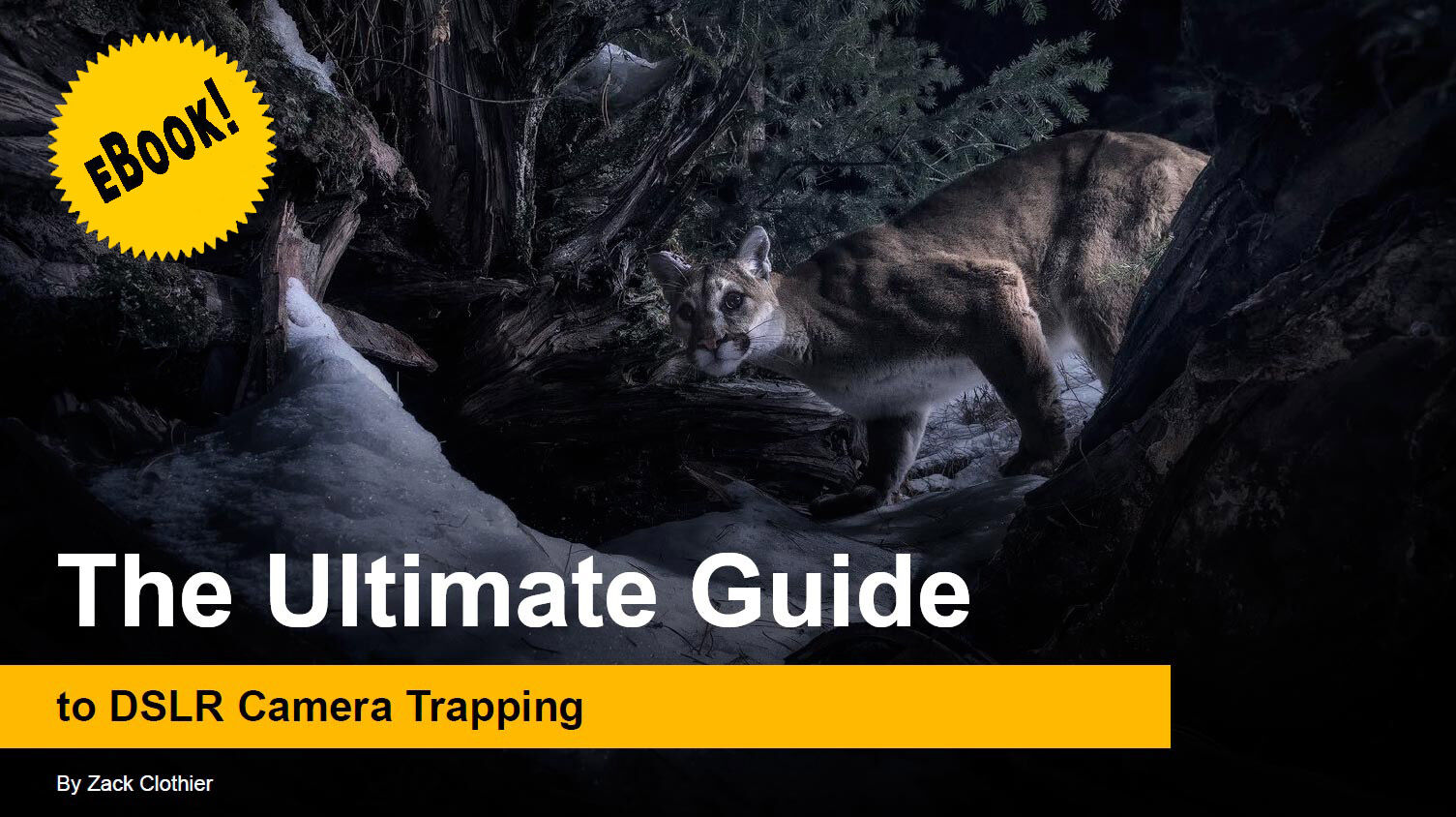
Are you a wildlife photographer interested in learning how to get started in DSLR camera trapping and really take your wildlife photography to the next level? My eBook, THE ULTIMATE GUIDE TO DSLR CAMERA TRAPPING, will teach you how!