It's Not The Camera, It's The Photographer: Why Vision Matters More Than Gear
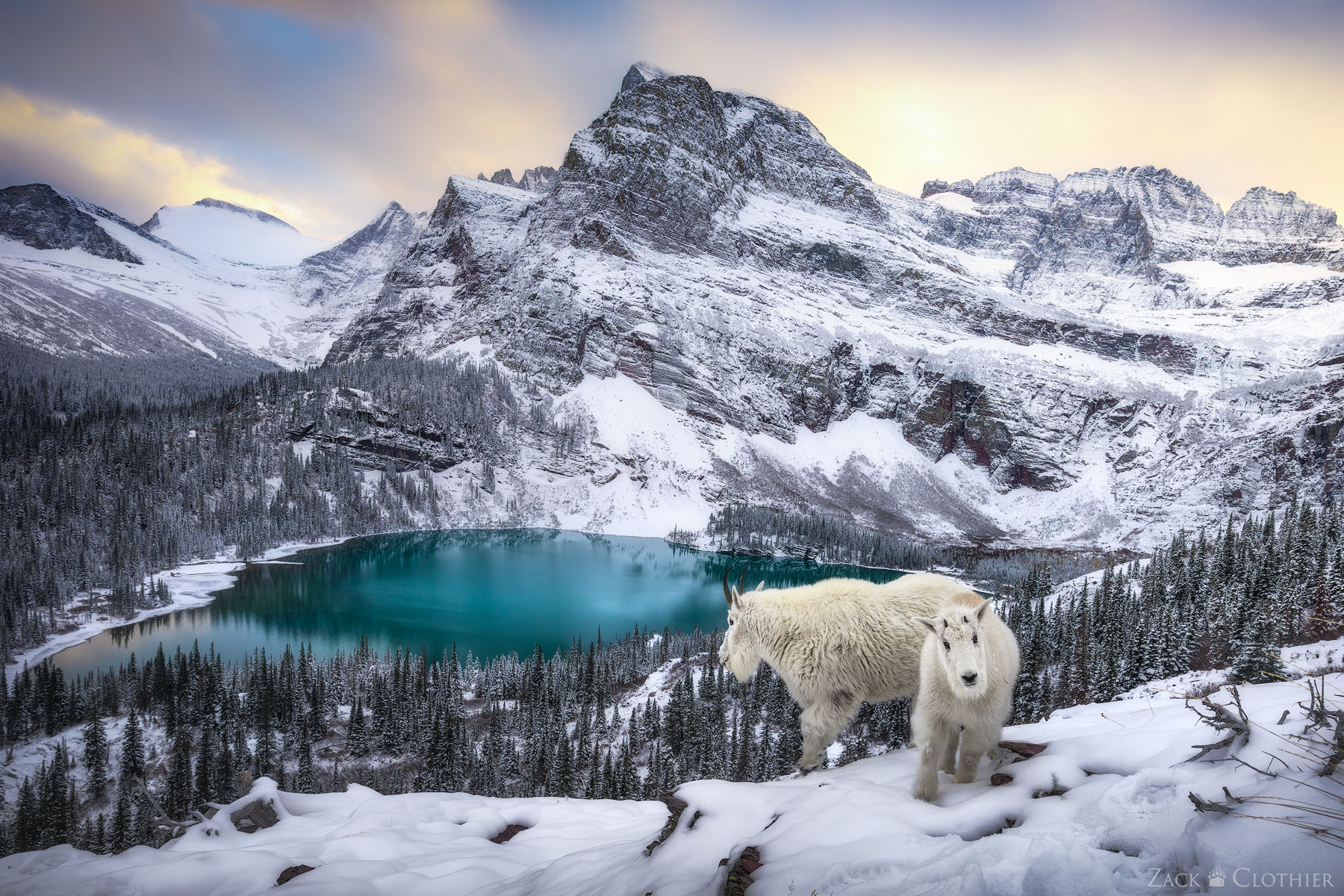
Two mountain goats pause to take in this iconic view of Grinnell Lake and Angel Wing Peak, at sunset. A rare set of weather conditions aligned perfectly for this scene, fresh snow, and relatively low winds. I made a last-minute decision make the six-hour drive to the trailhead and hiked several long miles solo to the glacier in single-digit temperatures, hoping to catch the sunset.
As the sky turned gold, I was surprised by two “locals”: a female mountain goat and her youngster. They approached cautiously, eventually joining me on the rocky perch. Their presence turned an already special scene into a truly unforgettable moment, blending wildlife and landscape in a way I hadn’t anticipated.
If I had a nickel for every time someone said, “You must have a really expensive camera,” I’d probably be able to buy another one by now.
It’s one of the most common misconceptions in photography, that the camera itself is responsible for the final image. In reality, the camera is simply a tool. An important tool, yes, but not the thing that creates compelling photographs. The true difference comes from the photographer behind it: their understanding of light, composition, timing, behavior, atmosphere, and the ability to recognize meaningful moments when they unfold.
A skilled photographer could create remarkable work with even the most basic entry-level camera on the market today. Expensive gear does not magically produce artistic vision, patience, or experience. It does not teach someone how to read changing weather in the mountains, anticipate wildlife behavior, or recognize the brief moments when light transforms an ordinary scene into something unforgettable.
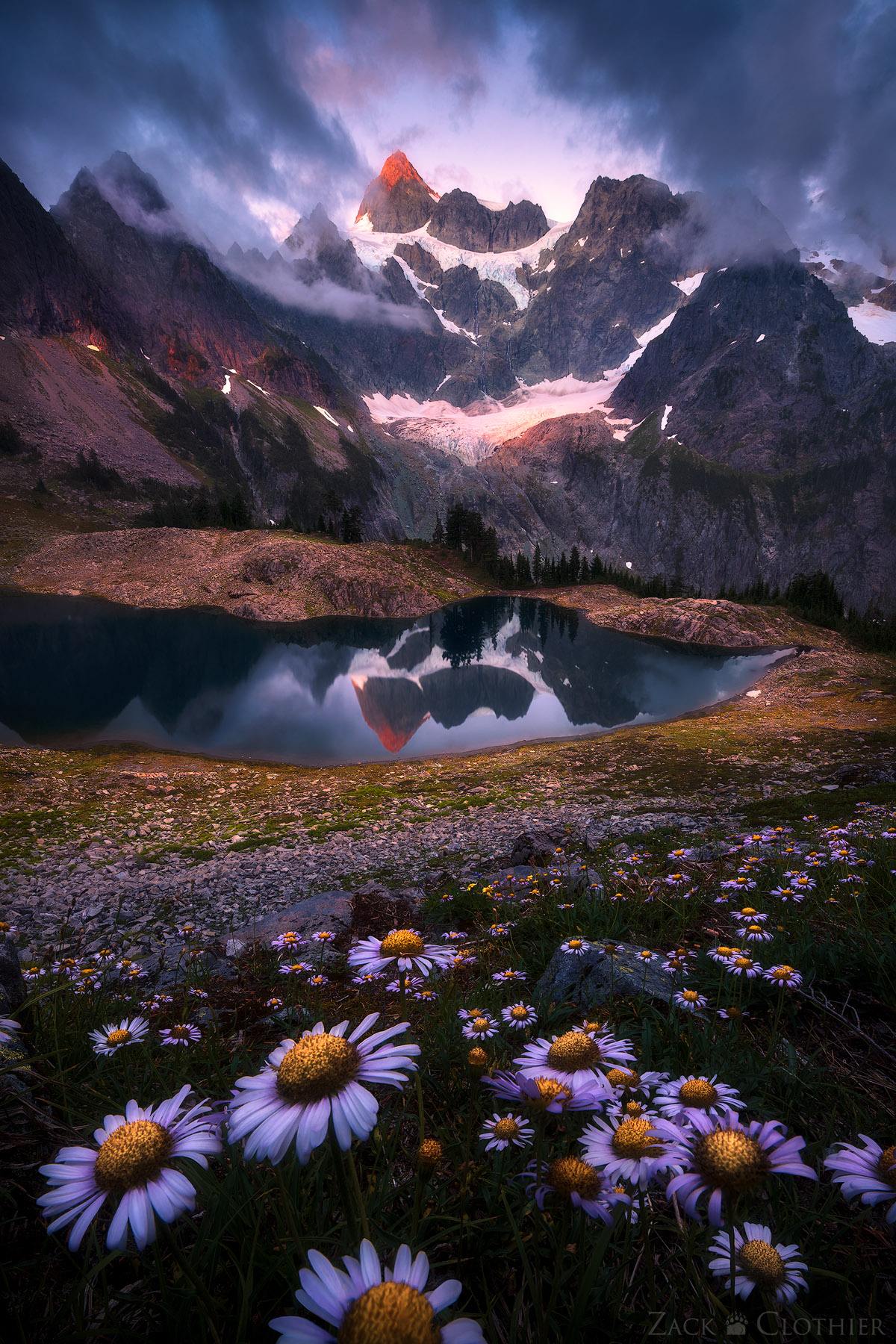
This photograph of Mount Shuksan remains one of my favorites. If you had been there with me that evening, you might not have believed that any decent light would materialize—the mountain had been shrouded in low clouds all afternoon. I had scouted the area near my campsite for potential compositions, just in case a miracle occurred. Against the odds, I hiked to this spot about an hour before sunset, carefully composed the scene, and waited.
It wasn’t until just a few minutes before true sunset that the clouds began to part, revealing the mountain in a brief, magical moment before it was swallowed once again by the clouds. That fleeting glimpse of light, contrasted with the persistent clouds, is what makes this frame so unforgettable.
That is not to say high-end equipment has no purpose. Professional cameras absolutely offer advantages, particularly when it comes to durability, autofocus performance, low-light capability, and resolution. In my own work, those extra megapixels become incredibly valuable because I frequently produce large-scale fine art prints measuring 40x60 inches and beyond. When printing at that size, every detail matters, and the additional resolution helps ensure the final piece holds up beautifully in large format.
But even then, the camera is still only part of the process. The gear may capture the image, but it cannot create the vision behind it.
What people often do not see are the years spent refining technique, studying light, learning composition, enduring difficult conditions, and returning to locations over and over again in pursuit of a fleeting moment. They do not see the pre-dawn hikes, the nights with little sleep, the long hours of waiting, or the countless failed attempts that eventually lead to a single successful frame.
So the next time you encounter a photograph that truly moves you, remember: the camera was only the instrument. The final image is the result of experience, patience, technical knowledge, persistence, and artistic vision coming together in a single moment.
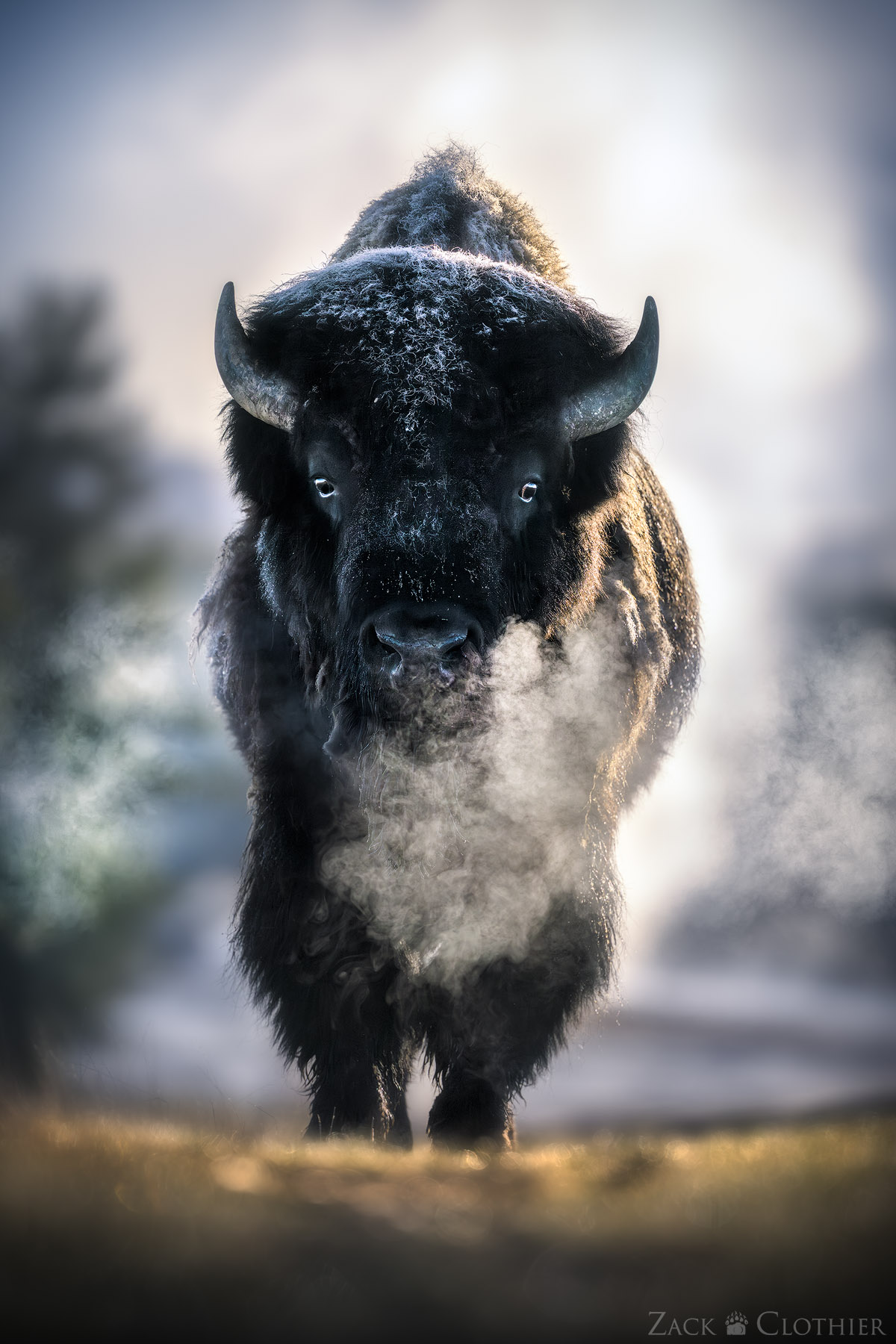
Steam from nearby geysers drifted across the landscape as this bull moved slowly through the basin on a cold spring morning, his breath rising into the first light alongside the geothermal mist of Yellowstone. Through the haze, he stood there with a certain stoic presence. Embracing the harsh backlight of early morning, I was able to create a striking portrait of this living remnant of the American frontier.