Revealing the Secret Lives of Wild Animals through Remote Camera Trap Photography
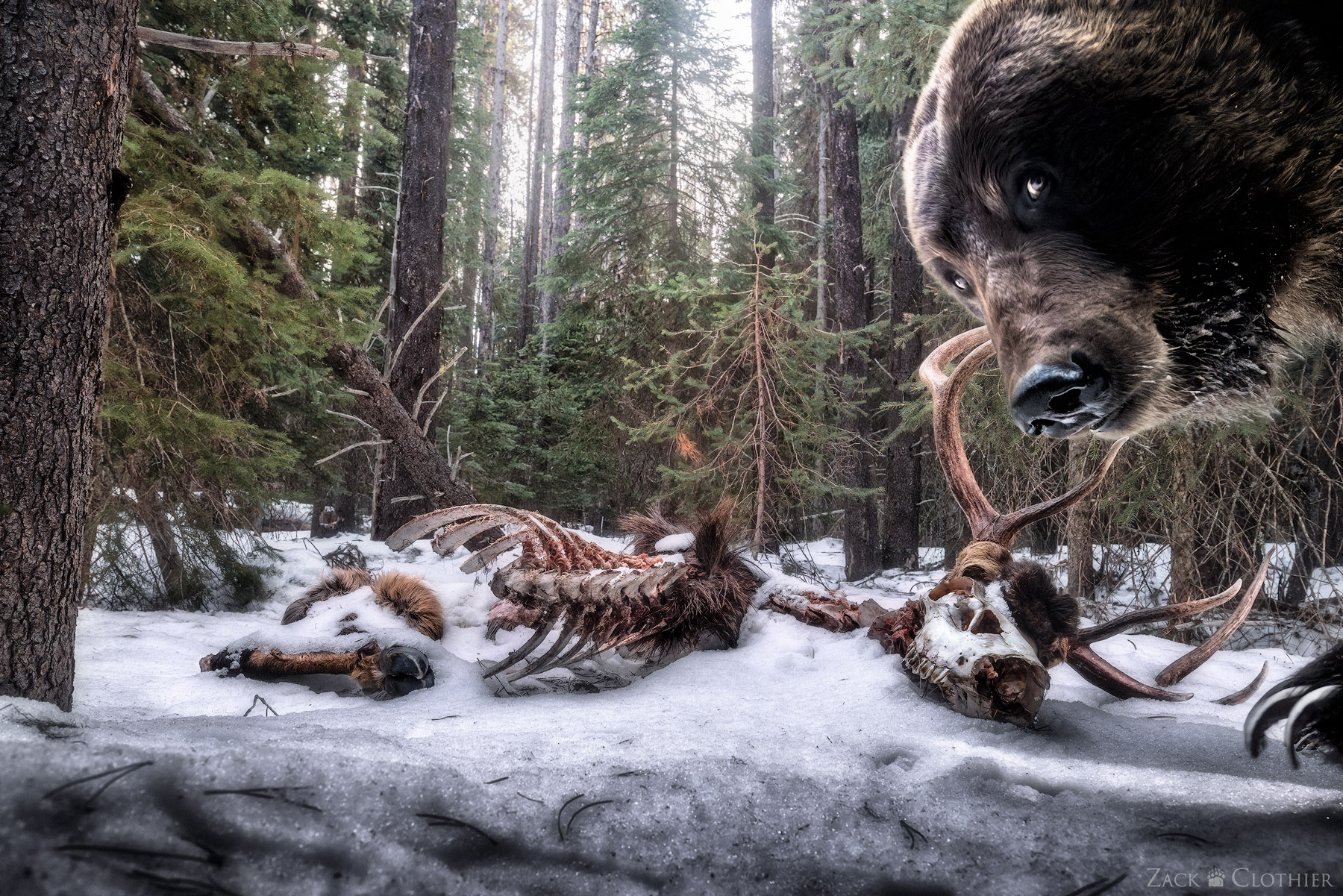
A grizzly bear, fresh out of a winter slumber, investigates an old elk carcass on an early spring morning in Montana. This photograph earned me first place in the “Animals in their Environment” category of the prestigious Wildlife Photographer of the Year competition in 2021.
Nature and wildlife have always been an integral part of my life. Whenever I am photographing wild animals, I am always trying to capture them in a unique and inspiring way. I want the viewer to feel an emotional connection to the animal, just as though they were standing right there when the photograph was being made. One thing that has always fascinated me are the rare and elusive animals that exist in the world but are rarely observed in the wild. Animals like the Canada lynx, or the mountain lion, immediately come to mind for their amazing ability to move across the landscape virtually undetected. It is because of species like the lynx that renewed my interest in remote camera traps. Simply put, a "camera trap" is any stationary camera that is triggered by a change in the environment, such as the presence of an animal, for example. A camera trap can be something as simple as a consumer-grade trail camera, or something as advanced as a DSLR camera setup. Because my goal is to create professional quality fine art photographs, I use the latter of the two.
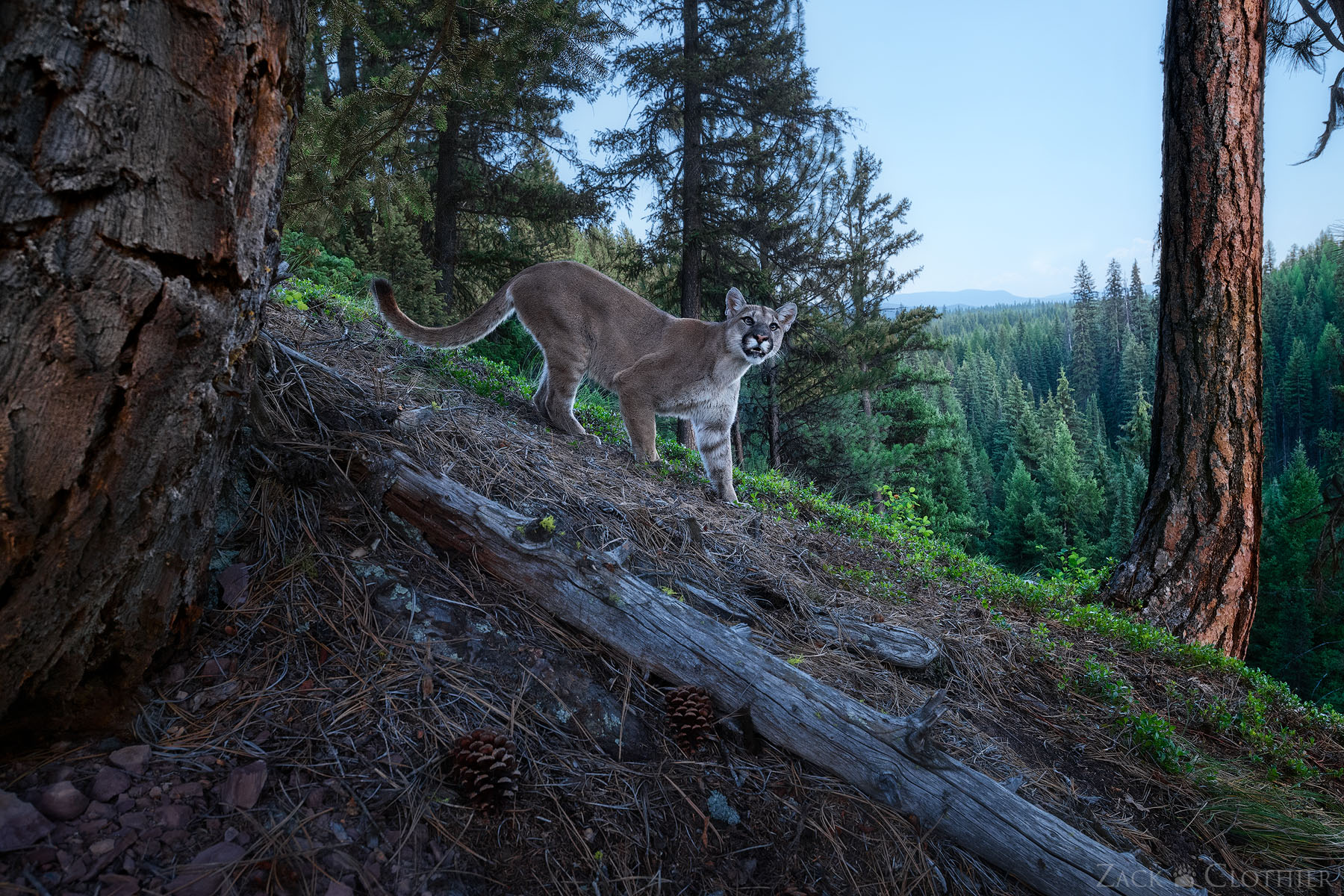
A mountain lion captured with a DSLR camera trap prowling a
ridgeline on a summer evening in Montana
Camera traps can be a great way to capture wildlife with very minimal disturbance to the animals themselves. For the past several years now I've been largely focused on creating a portfolio of wildlife photographs captured using these sophisticated remote cameras. I first became interested in camera trap photography in the early 2000s, when I constructed a very basic trail camera that used a 35mm film camera. The camera was then rigged up to a PIR sensor from a set of motion-activated lights and triggered by a solenoid from a vehicle’s automatic door lock. The whole setup was housed in a heavy metal canister. As crude of a contraption as it was, I did get some results with it; foxes, bears, skunks, deer, to name a few. An on-camera flash provided me with the light needed for nighttime subjects. Needless to say, it was a less than flattering look.
Fast forward to today. I now build and employ hi-end camera traps that use DSLR and Mirrorless cameras and wide-angle lenses to capture professional quality, print-worthy photographs of wildlife that tell a story far beyond the typical portrait. Traditionally, most wildlife photography is done using long telephoto lenses, whereas camera trap photography uses wide-angle lenses capable of depicting more of the environment where these creatures thrive. Besides telling a story, these photographs are great for shedding light on rarely observed animal behavior and for wildlife conservation, especially when they are used to document endangered or threatened species. Not only that but checking on and maintaining the cameras gets me back into nature, which to me is an added bonus. Equally exciting is when I check a camera and find that it captured exactly what I was hoping for. This does not happen nearly as often as I would like, that’s just the nature of things, which makes it even more rewarding when everything does come together just as I envisioned.
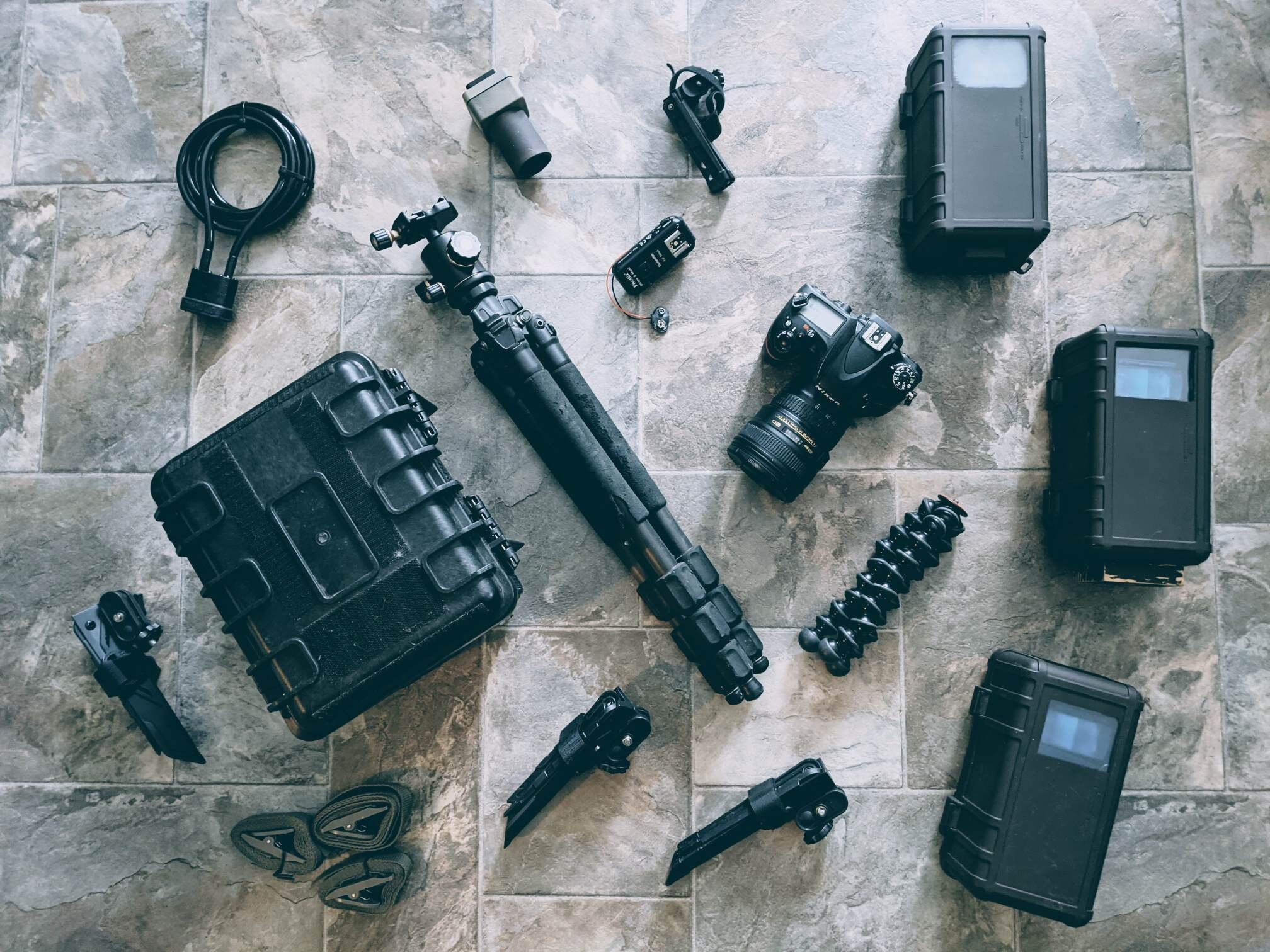
Professional camera traps, despite having similarities in how they are triggered, are in no way comparable to your average off-the-shelf “trail camera”. In fact, they are far from it! Besides being very low-quality, most commercially available trail cameras use infrared LEDs for illumination of nighttime pictures and video. DSLR Camera traps, on the other hand, use a number of off-camera flashes, or “speedlights” as they are known. Speedlights are commonly used in studio settings, where the portrait photographer uses them to add a pleasing light to their models. As a result, camera trapping is often likened to setting up a portrait studio in the forest and hoping that an animal passes by and gets their picture taken. Through the use of off-camera flash, camera traps are capable of capturing nocturnal wildlife that would otherwise be extremely difficult, if not impossible, to photograph otherwise.
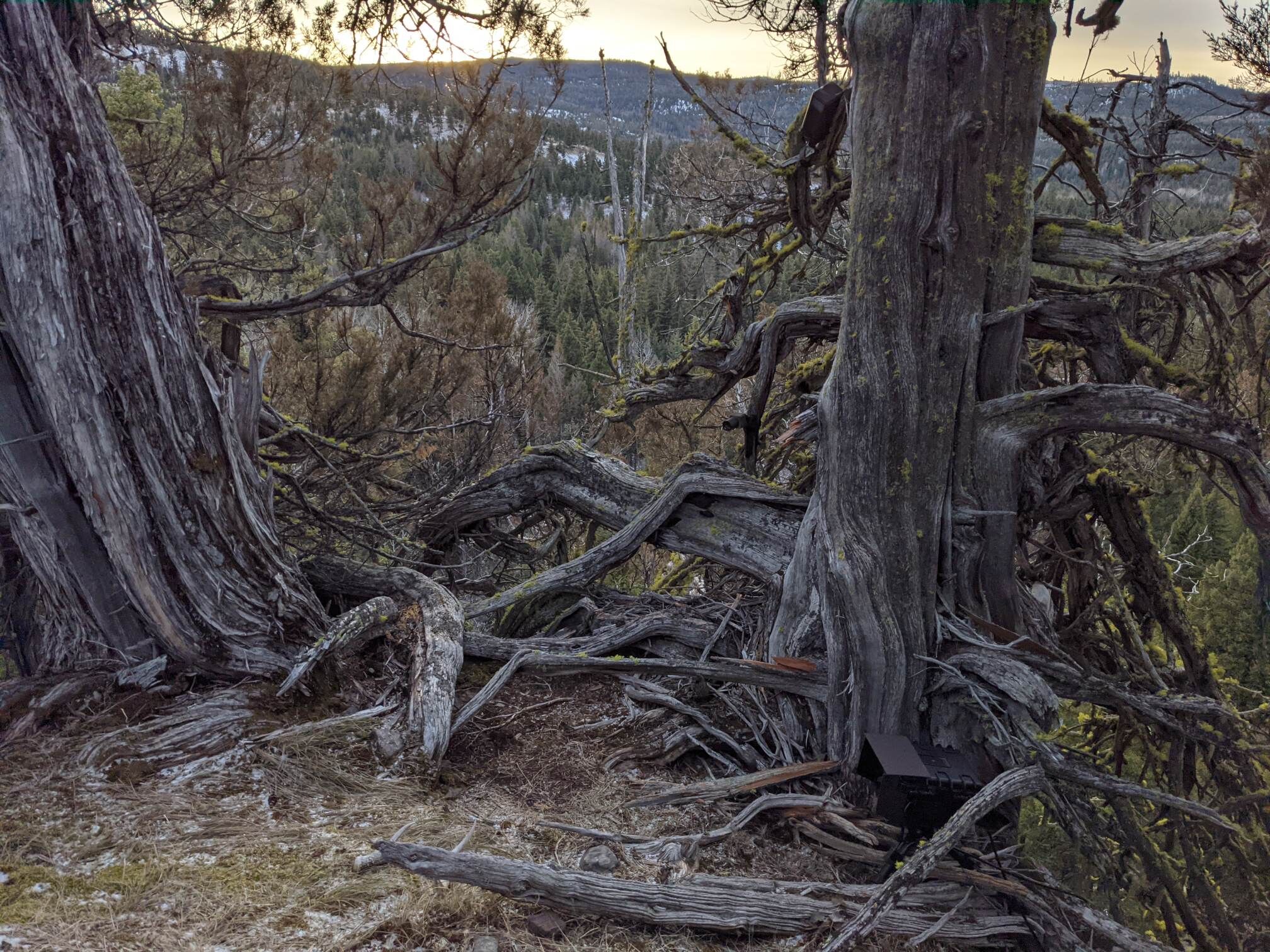
By now you must be wondering, how do I choose where to set up the camera? Good question! Here’s my roundabout answer to that. Camera placement is just as critical as understanding how to set everything up. Think about it this way. The camera’s field of view is only able to cover a very tiny patch of forest, and many animals have vast home ranges. Male cougars, for example, have home ranges that can easily span 150 square miles. For comparison, the city of Seattle is only 92 square miles! This should help you understand why camera placement is so important. When I am attempting to choose a location for my cameras, I often rely on tracks and other sign left behind by the particular species I’m targeting. Once I observe some sign, I then begin to look for areas on the landscape that can be used as natural “funnels” for the wildlife.
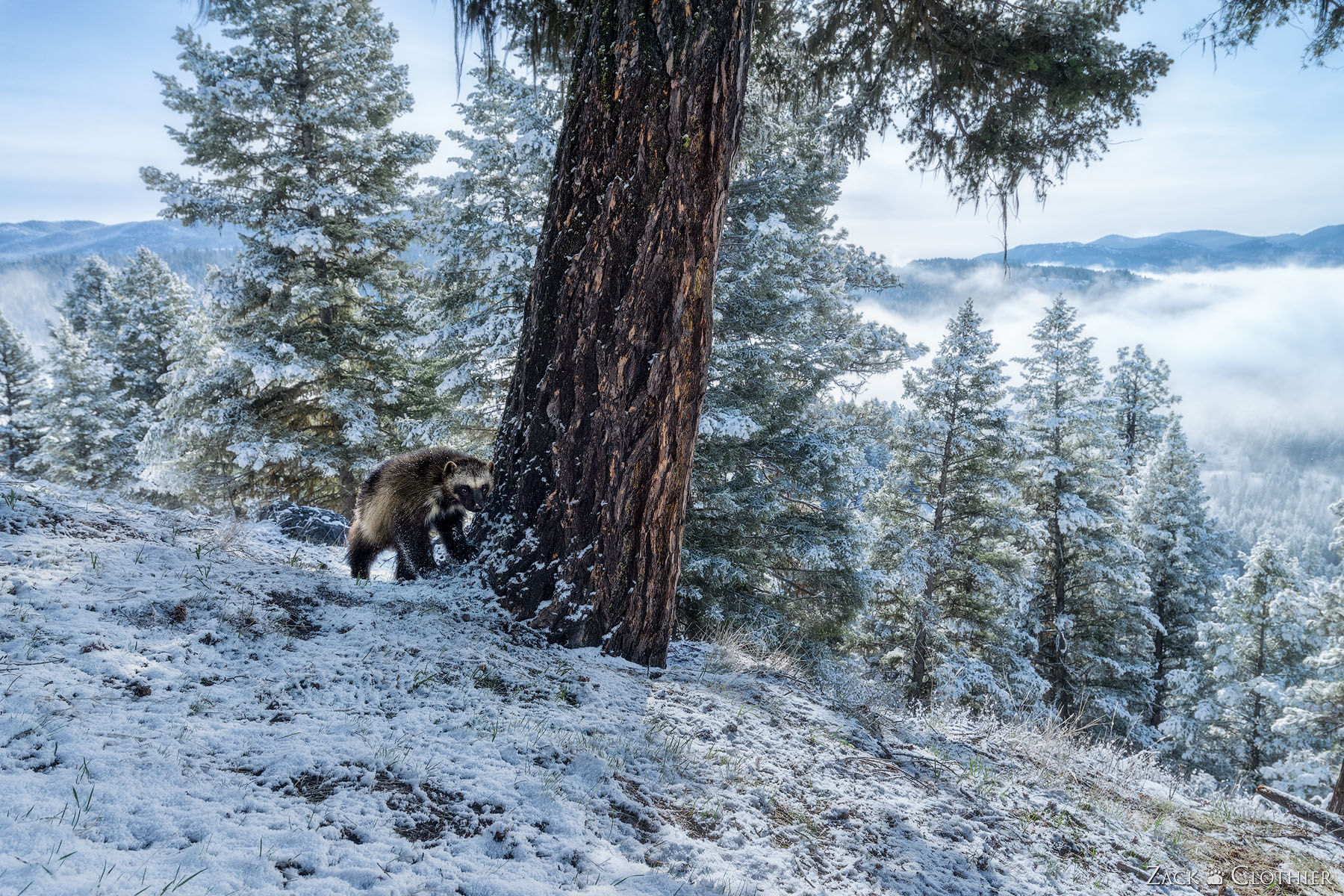
Expect the unexpected. Imagine my excitement when I checked the memory card from this camera trap, which was set up for mountain lions, and found this wolverine instead!
Just as camera placement is key, composition is equally important to me, and that is what is so incredible about camera trapping. The photographer is able to control the entire creative process, everything from the composition to the lighting. When camera trapping, you are really only limited by your own imagination. Checking camera traps is one of the most exciting things a photographer can do. It becomes even more rewarding when you find that you captured exactly what you were anticipating, especially after you’ve put in the time and effort to find that perfect location. As good as all of this sounds, camera trapping is not without its fair share of pitfalls, however. With all of the electronics, sooner or later you’re bound to run into problems that will need some troubleshooting. There are numerous mistakes I see beginner camera trappers making. I know, I’ve been there too! I can help you steer clear of, and overcome, these pitfalls, saving you from years of costly mistakes that are easy to avoid once you become aware of them. Don’t leave that once-in-a-lifetime photograph to chance, learn how to get it right the first time.
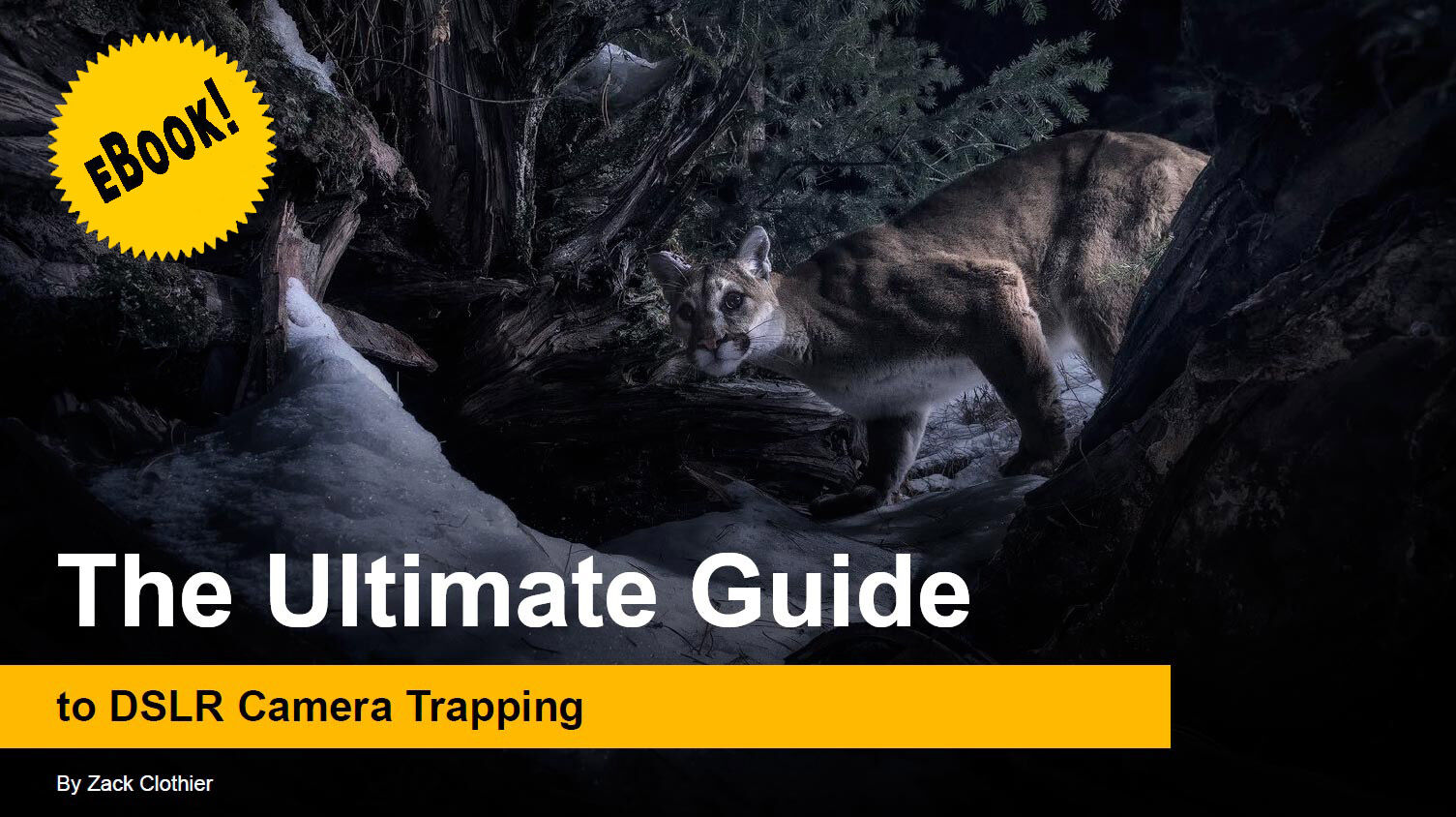
Now, this all sounds pretty easy, doesn’t it? Not exactly. Camera trapping requires a high degree of patience and dedication, not to mention the technical know-how to get everything set up and working correctly. On top of all of that, the animals must cooperate. Understanding animal behavior goes a long way in capturing successful photographs. Simply placing the camera at a random spot in the forest may produce some results, they will most likely not be the results that you’re looking for. That’s where my eBook, The Ultimate Guide to DSLR Camera Trapping, comes in. Besides covering the basics of camera trapping, I also discuss scouting techniques, lots of camera trapping tips and tricks, and various other methods to improve your success. I’ve designed the guide as a resource for all levels of photographers, from beginners to professionals. The information is easy to digest and will put you on the right track to start capturing the images you’ve always dreamed of!
Are you interested in learning more about DSLR camera trap photography? Then you’re going to need to pick up a copy of my eBook: The Ultimate Guide to DSLR Camera Trapping - Guaranteed to take your wildlife photography to the next level. Think of it as a sort of “crash course” in camera trap photography. At over 200 pages, it’s loaded with information to help you not only get started in, but also succeed, in this unique field of wildlife photography.
Here is just a small sampling of what you can expect to learn from my eBook:
- What is a camera trap?
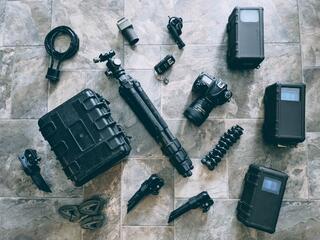
- A thorough rundown of camera trap components and gear
- DSLR camera, lens, and flash recommendations
- Basic and advanced camera settings
- Working with speedlights to craft studio-style lighting that is as natural looking as possible
- How to power your equipment for extended periods of time
- Instructions for building your own camera traps
- Scouting techniques to aid in choosing the right location for your camera
- Deployment of your camera trap
- Countless wildlife camera trapping tips and techniques to help you succeed
- Real-world examples of actual DSLR camera trap setups in the field, complete with diagrams and the end results from each set
- All of this and much, much more!