What Is A DSLR Camera Trap & How Does It Work?
If you follow me on any of the social media channels, you have likely heard me talk about DSLR camera traps. I use them extensively to capture extraordinary photographs of wildlife in their natural habitats. So, what exactly is a DSLR camera trap you ask? In this blog, I’ll answer that question and explain the differences between camera traps and trail cameras.
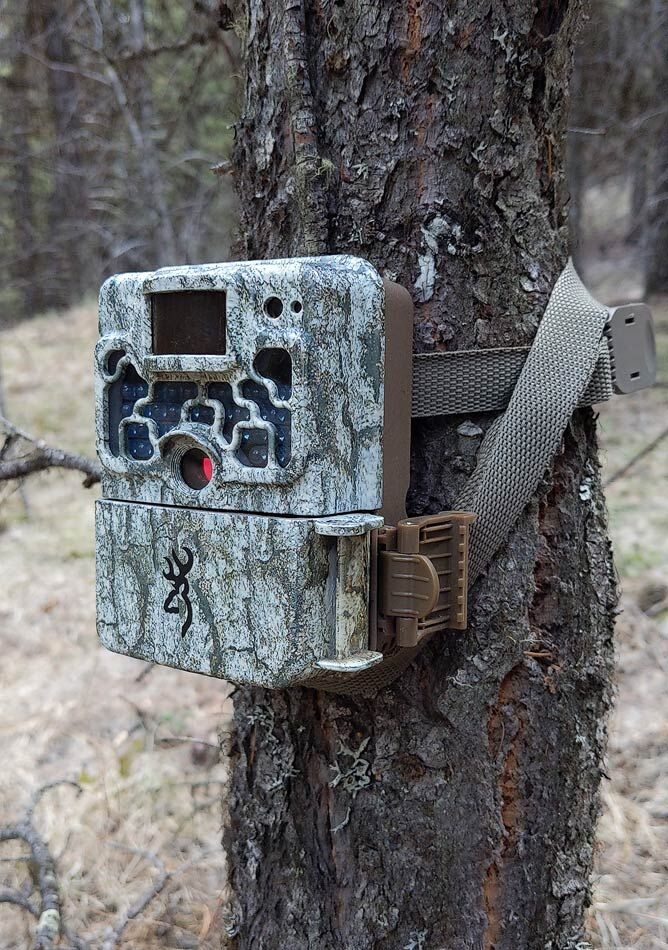
Trail cameras (sometimes referred to as game cams) and DSLR camera traps are both valuable tools in wildlife research and photography, but they have distinct differences both in their functionality and design. A trail camera is typically a standalone unit that is motion-activated and primarily used for capturing wildlife in its natural habitat without direct human intervention. These cameras are often used for wildlife monitoring and research, and they are designed to be durable and weatherproof for long-term outdoor use. On the other hand, a DSLR camera trap involves the use of a DSLR camera paired with additional equipment such as motion sensors, remote triggers, and off-camera flashes, to capture images in a more controlled setting. A DSLR setup gives photographers much more creative control over the composition and settings of the images, making it ideal for capturing high-quality photographs of elusive or nocturnal wildlife. While both types of cameras serve the purpose of capturing wildlife images, their differences lie in their level of automation, versatility, and the degree of control they offer to photographers.
When I talk about “remote camera trapping”, many folks (wrongly) assume I am using just your average, off-the-shelf trail camera. I assure you, that is certainly not the case! A basic trail camera is simply not capable of achieving the level of resolution and detail a DSLR camera can, no matter what the manufacturer claims in terms of megapixels. Many trail camera companies are now touting “18 megapixel” cameras, and some even claim “22 megapixels” or higher. Sounds good, right? Not even close! Trail camera companies use a process called interpolation to achieve these inflated, unrealistic megapixel numbers. Interpolation uses software to enlarge from the native resolution of the camera, which, in most basic trail cameras is actually closer to 4-5 megapixels at best, hardly enough to produce a print, let alone a quality print. When images of such low quality are blown up via software, the final result is a highly pixelated, blurry mess. You could simply not create an photograph worthy of printing using one of these off-the-shelf trail cameras. With that being said, trail cameras are a valuable tool for wildlife research projects as they are inexpensive and can record video, which can be more valuable to researchers than stills alone.
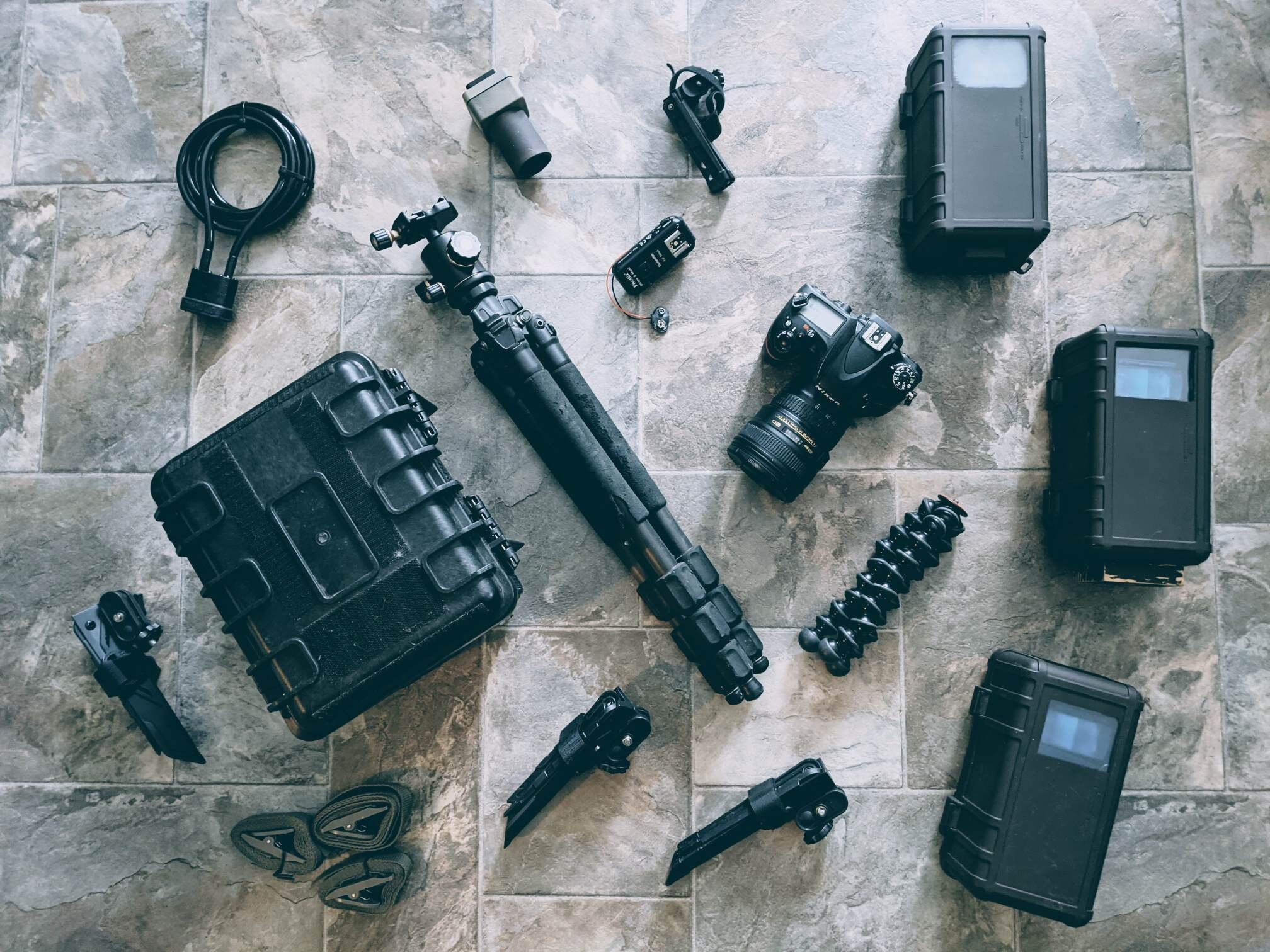
For the type of fine art photography that I do, I use native high-megapixel DSLR (or digital single-lens reflex) cameras, the same cameras most photographers are using these days to capture high-quality, print-worthy photographs. Because the cameras are often deployed in the field for extended periods of time, I construct weatherproof enclosures for the cameras. The camera is then connected, often wirelessly, to an infrared sensor capable of detecting heat and/or movement. When an animal walks past and the sensor detects movement, for example, a signal is sent to the camera to take a picture, or several pictures, depending on how I have set it up. To capture photographs of animals at night, remote flashes must also be incorporated into the setup. Now when the sensor detects either motion or a heat signature, the signal is sent to both the camera and the flashes to trigger simultaneously. The goal is not to just light up your subject using flash but to light it in the most natural and creative way possible. There are far too many camera trap images out there that simply scream “flash photo!”. If all you are trying to do is document a species, that may be completely fine, but if you’re trying to create art, this isn’t the way to go about it. One of the fundamentals of being a photographer is being able to not only understand but also “see” light, and that goes for flash photography as well. I want my photographs to appear as natural as possible, and this requires a lot of foresight and thought when setting up the camera trap. Often times you will only get one shot at an image, so it’s important to pay attention to every single detail. When I’m setting up a camera in the wild, I may spend 6-7 hours, sometimes longer, getting everything positioned perfectly.
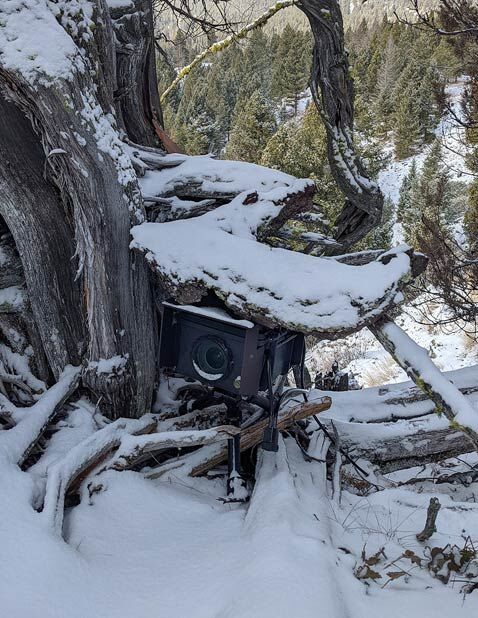
As you can see, there is far more that goes into creating one-of-a-kind photographs of wild animals using DSLR camera traps. To me, though, the extra effort is worth the reward. There is simply no better way of capturing photographs of rare and elusive wildlife. Along with the equipment, being a good naturalist can be an invaluable skill in a camera trapper’s toolkit. Being able to read tracks and signs left behind by animals can help you locate the best areas to place a camera. Understanding animal behavior is another very important skill one must learn to be truly successful. Once you find that perfect location in the wild, the next thing you’ll need to have, as in all wildlife photography, is a lot of patience! There have been times when my cameras have been out for months and months before they ever captured my target species, and sometimes it just doesn’t work out. Over time, you will learn not only from your successes but also from your mistakes. That will not only make you a better photographer but a better naturalist as well.
Below you will find some examples of what is possible when using these sophisticated remote camera traps! If you’re a wildlife/nature photographer or enthusiast, and you’d like to learn more about DSLR camera trapping, my eBook is the most comprehensive guide out there on the subject. It’s packed with everything you need to know not only to get you started, but also to help you succeed in the art of DSLR camera trap photography. The tips and techniques I share are designed to fast-track your success and save you from years of costly mistakes. From the novice to the veteran camera trapper, everyone will benefit from the wealth of information that is included in this guide. I’ll put a link down below if you’re interested in elevating your wildlife photography to the next level!
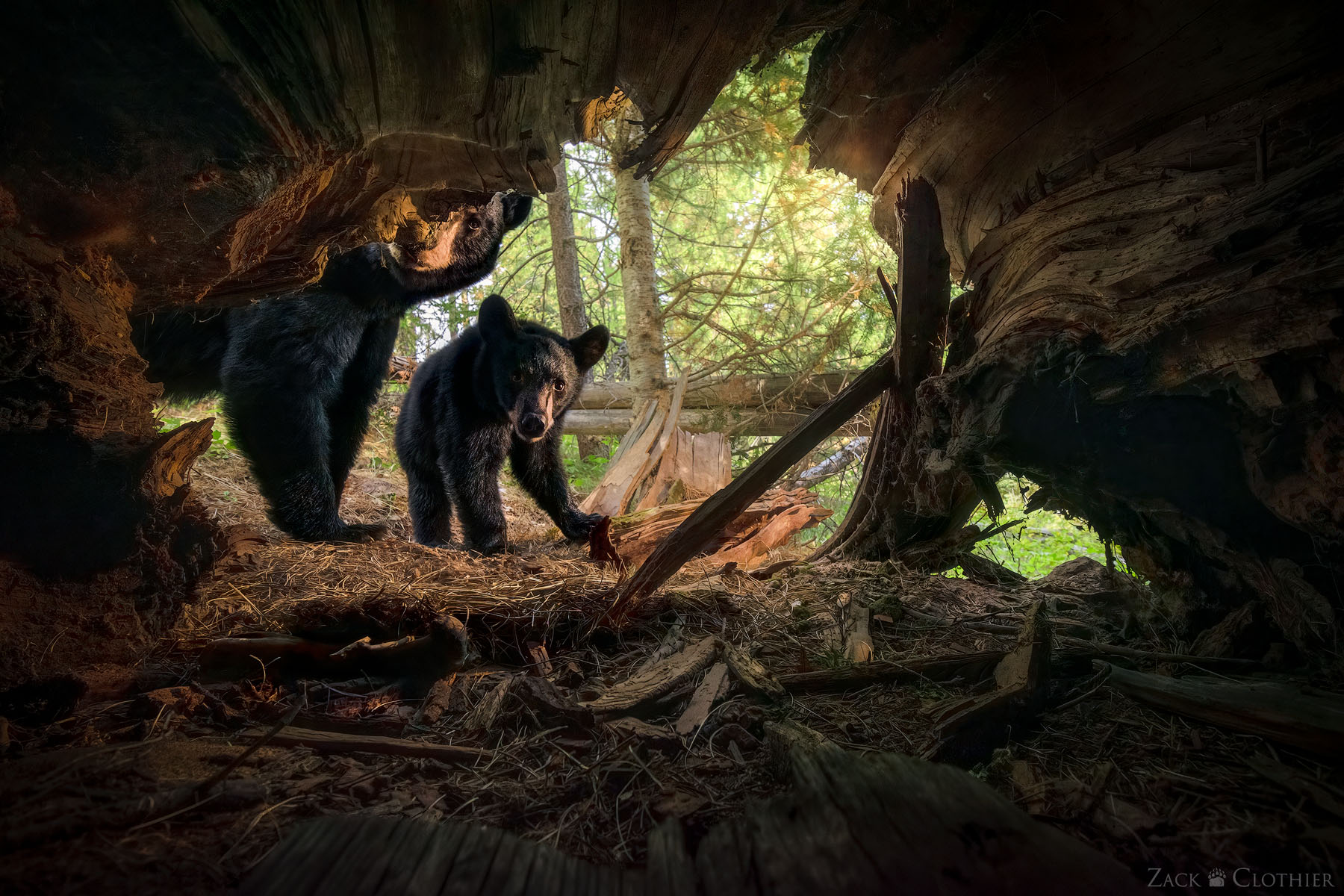
A black bear sow and her cub curiously investigate a hollowed-out old-growth tree in a western forest. To photograph this moment without altering their behavior, I used a sophisticated remote camera specifically built for encounters like this. Being able to capture such unique work is what draws me deeper into these forests, and reminds me why patience and restraint matter when telling wild stories.

I picked up my first camera at a young age, not with the goal of becoming a photographer, but as a way to deepen my lifelong fascination with tracking animals. As a child, I spent countless hours in the woods measuring and documenting tracks and sign, slowly realizing that photographs could capture more than measurements ever could. That curiosity grew into a passion for wildlife photography and, eventually, for building my own remote camera traps using professional photography gear.
Today, my work is rooted in patience, field craft, and a deep understanding of animal behavior. I spend countless hours scouting and tracking, often returning to the same locations season after season, waiting for a single moment to unfold. Unlike traditional wildlife photography, which I also enjoy, camera trapping allows me to thoughtfully craft each work — from composition and light to the precise place an animal moves through the frame.
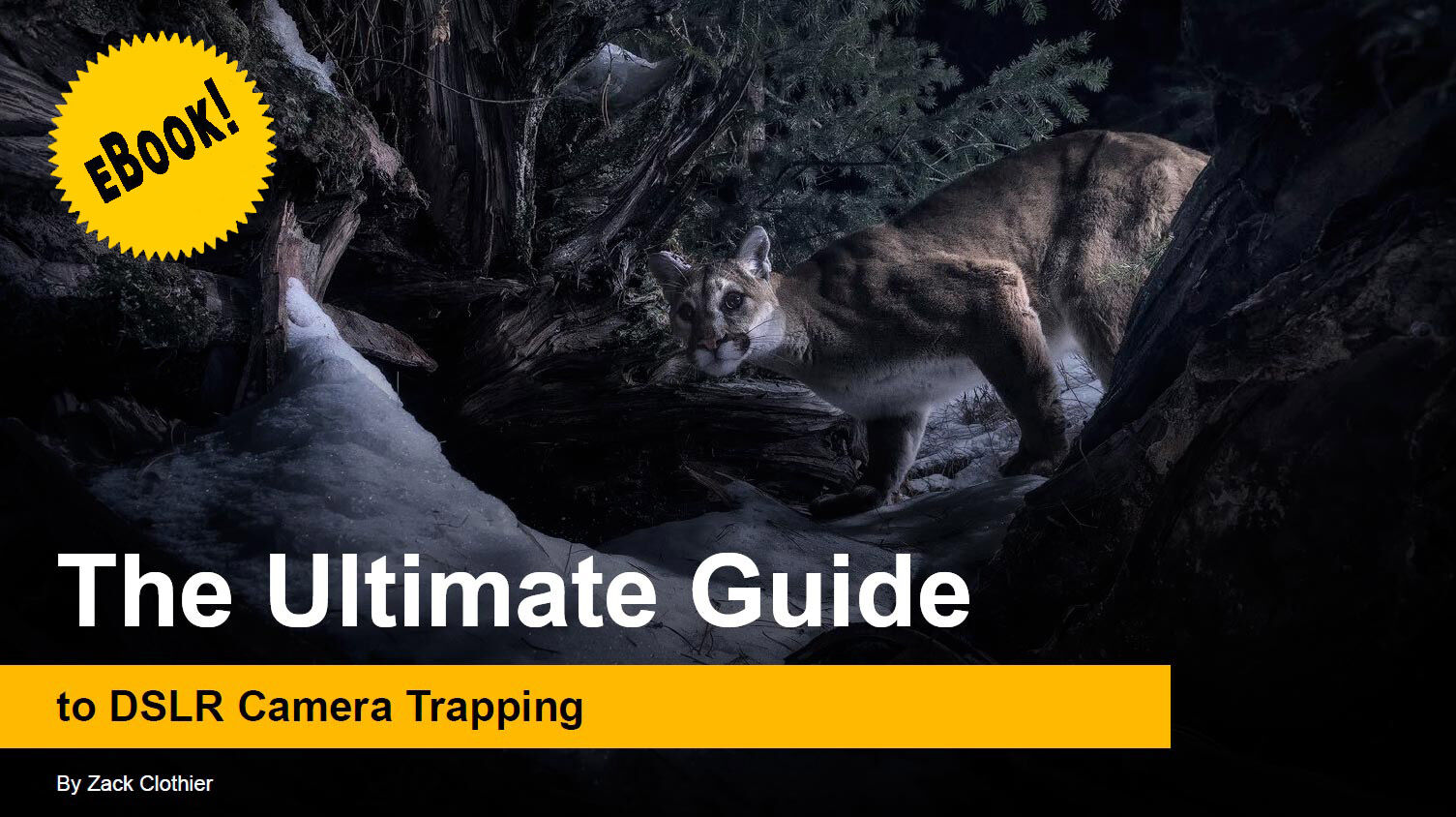
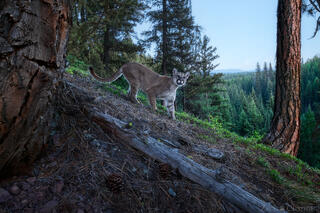
This photograph of a large male mountain lion passing beneath a rocky overhang in Montana brings those passions together. After several winters studying these cats, I found a single partial track beneath this rock and trusted it was enough. Months passed with little activity, until one late winter morning the lion returned, triggering the camera as the season began to change. Moments like this — earned through time, trust, and persistence — are what continue to draw me back into wild places.
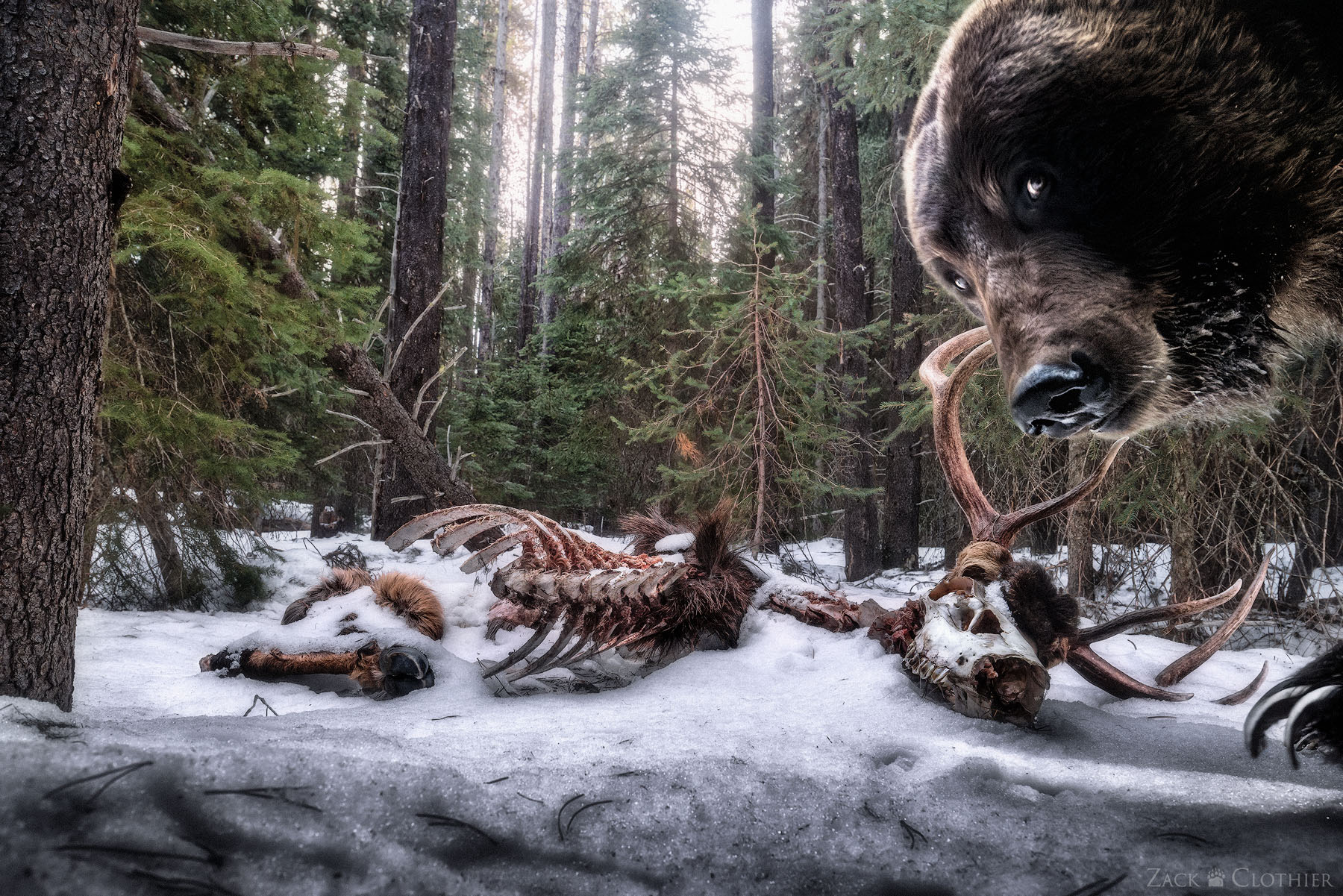
Hard work, determination, patience—and a little luck—all played a role in the capturing of this print.
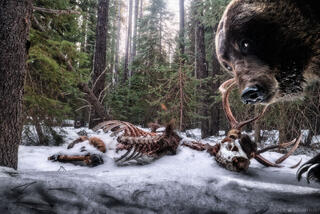
While cross-country skiing near my home in Montana, I came across the remains of a bull elk. Tracks and sign in the snow told the story: a wolf had been regularly feeding on the carcass. Sensing the potential for something unique, I returned later that afternoon with a custom DSLR camera trap that I built myself. Wolves are intelligent and wary, so I tucked the camera deep into a tree well and carefully camouflaged it with branches and snow.
Over the next two months, I checked it only once to swap batteries. The wolf never returned. Instead, a steady rotation of scavengers showed up—foxes, martens, ravens, even snowshoe hares. As winter gave way to spring, access became more difficult. I delayed my next visit as long as possible, waiting for a cold day to help with a creek crossing along the route. After a stretch of unseasonably warm weather, I arrived to find the once-frozen stream transformed into a raging torrent.
I spent two hours building a makeshift bridge from downed timber before finally crossing and snowshoeing the rest of the way in. Near the site, I spotted large, fresh tracks in the snow—a grizzly. Not wanting to surprise a bear on a carcass, I checked a secondary trail camera I had placed nearby. The footage showed the bear had passed through just hours before I arrived.
Making plenty of noise as I approached, I found the scene completely changed. The carcass had been moved away from the camera, and the nearby creek was flowing high above its banks. The rising water had flooded the area where my camera and PIR sensor were positioned. My camera case was tilted skyward, the lens smeared with slobber—courtesy of the bear—but miraculously, the tripod had kept it above the waterline. Fresh grizzly tracks surrounded the site.
I didn’t expect much when I opened the case. In my years of camera trapping, I’ve learned that bears have an uncanny ability to “disable” a setup without ever getting their picture taken. Scrolling through the photographs that had been captured, I saw the usual visitors—hares, a pine marten, a red fox.
Then I came to this frame.
A massive grizzly bear, staring directly into the camera. My jaw dropped. It was the last frame captured—taken just before the bear lunged at the camera, altering my carefully crafted composition and ending the story in dramatic fashion.
Ready to take your wildlife photography to the next level?
Visit the link below to learn more about my eBook, The Ultimate Guide to DSLR Camera Trapping ⤵